Special Needs Summer Camp Guides
Working at a Special Needs Camp: A Guide for Prospective Staff
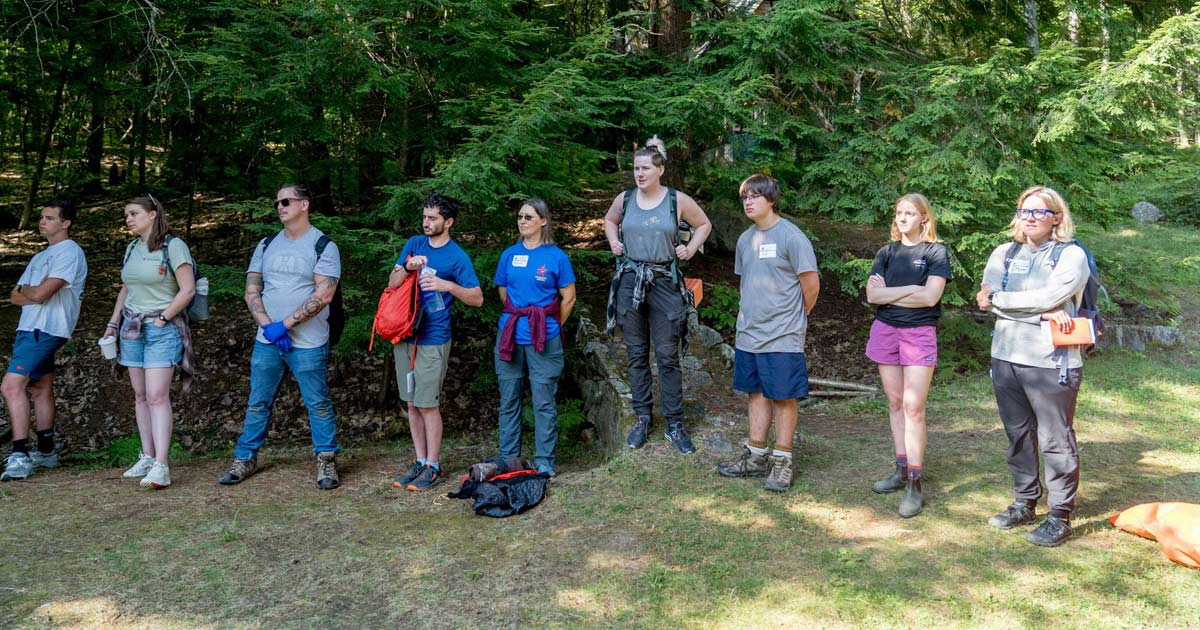
Working at a special needs camp is a different kind of job than general camp counseling. It draws on different skills and often connects directly to future careers. Some people pursue this as a step toward a career in education, therapy, or disability services; others come to it through a personal connection to disability. This guide explains what to expect before applying.
The posts below guide prospective staff through the questions they typically consider in order: is this role right for me, what positions are available, how training is structured, what compensation includes, and how to find and apply for a position. Each post dives deeply into its topic, and this page provides an overview of the full picture before you explore them.
Articles in This Guide
Understanding the work:
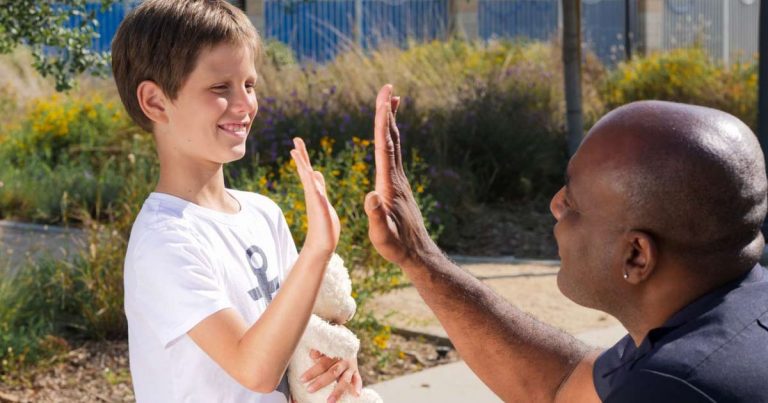
What It Means to Work at a Special Needs Camp: An Introduction for Prospective Staff
What the work actually involves, what qualities it draws on, what it produces professionally, and who it is right for.
Learn MoreRoles and preparation:

Roles at Special Needs Camps: A Guide to Position Types and What Each Involves
The full spectrum of positions from entry-level direct support through clinical, specialist, and supervisory roles, with credential requirements and a background-matching framework.
Learn More
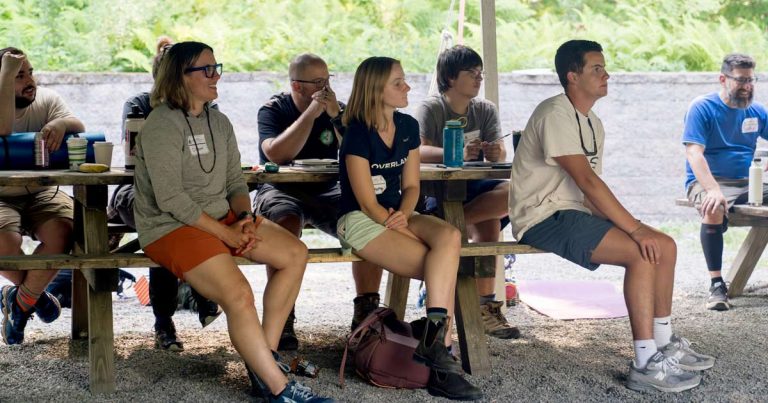
Staff Training at Special Needs Camps: What to Expect Before and During the Season
What pre-season and in-season training covers, which certifications are common, and how to prepare before you arrive.
Learn MoreCompensation:
Compensation and Benefits at Special Needs Camps: What Staff Can Expect
Wage ranges by role type, room and board as a compensation component, certifications as benefits, and a framework for evaluating any offer.
Learn MoreFinding and applying:
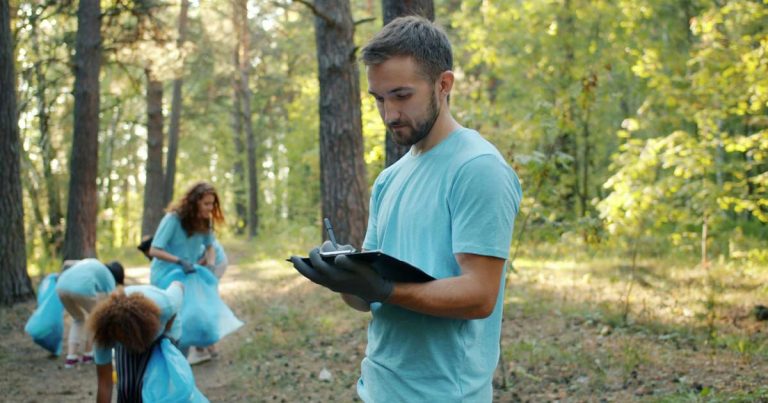
How to Find and Apply for Special Needs Camp Jobs: A Practical Guide
Where listings are posted, how to evaluate a program before applying, how to frame your experience, and what to expect from the hiring process.
Learn MoreWhat Makes This Work Different
Special needs camps organize staff around individual camper support needs rather than activities or cabin units. That difference shapes the day-to-day responsibilities, the skills you use, and what you gain from the experience.
The role is continuous and relational. Support continues throughout the day, not just during scheduled activities. Special needs camps operate with higher staff-to-camper ratios than general programs because individualized support across the full day requires more staff per camper. For more on what those ratios look like and what they signal about a program, see our post on staff ratios and staffing at special needs camps.
Who Joins the Staff
Most people come to special needs camps through one of two paths. The first is the career-path reader: someone pursuing a degree or career in special education, social work, occupational therapy, speech-language pathology, applied behavior analysis, or a related field who is looking for substantive summer experience that connects to that trajectory. The second is the personal-connection reader: someone who has a sibling with a disability, a family member’s support needs, lived experience with disability, or a genuine draw toward working with people with disabilities. Both pathways are valid and programs recognize both.
What Staff Gain Professionally
Staff who work a summer at a special needs camp develop hands-on experience with behavioral support, individualized communication, crisis de-escalation, and therapeutic programming. These are practical skills that are recognized in professional and graduate settings. You can enter the funnel of posts below at any point, but they are designed to build on each other, moving from whether the work is right for you, to what roles exist and which fits your background, to how training works and what certifications you can expect, to what compensation looks like and how to evaluate an offer, to how to find listings and get through the hiring process.
The Roles Available
Special needs camps employ a wider range of staff than most people expect. Positions fall into three broad tracks.
Entry-Level Direct Support Roles
The most common and accessible starting point is the direct support counselor or cabin counselor role, which does not require a clinical credential. These roles involve implementing individualized support plans, supporting daily living tasks, facilitating programming, and communicating observations to supervisors. They are the backbone of every special needs camp staff team and the entry point for most people new to disability support work.
Clinical and Credentialed Roles
Behavioral specialists, speech-language pathologists, occupational therapists, registered nurses, and board-certified behavior analysts are standard members of the staff team at clinically intensive programs. These roles are often harder to fill, and programs are eager to hire qualified candidates. If you hold a clinical credential, you will find positions here that general camps do not have.
Adaptive and Specialty Program Roles
Some programs are built around specific therapeutic modalities and require staff with corresponding training. Therapeutic riding programs require PATH-certified instructors. Adaptive aquatics programs require relevant water safety credentials. Transition programs serving young adults aging out of school-based services require staff comfortable with an independence-coaching model rather than a direct support model.
Role structure also varies by program type. A clinically intensive residential program employs a formally differentiated staff team with clinical and medical staff integrated into daily programming. A recreational special needs camp organizes primarily around direct support counselors and activity specialists. Knowing the program type before you apply shapes which role you are actually evaluating.
For the full role inventory including credential requirements, role-by-role descriptions, and a framework for matching your background to the right position, see our guide to roles at special needs camps.
Training and Preparation
Pre-season training at a special needs camp is longer, more structured, and more formally assessed than general camp orientation. That level of preparation reflects how much campers rely on staff being ready. Training covers behavioral support frameworks, augmentative and alternative communication systems, individualized support plan implementation, medical and crisis protocols, and documentation requirements. Staff are expected to demonstrate these competencies before working directly with campers.
Many programs provide formal certifications during pre-season training. The most common include:
- CPI (Crisis Prevention Institute) certification covering nonviolent crisis intervention
- First aid and CPR recertification
- ABA-track hours toward RBT eligibility at some programs
- Supervised clinical hours applicable to professional licensure at some programs
These are certifications that carry value beyond camp, and they are part of what makes a summer at a special needs camp professionally meaningful beyond the cash wage.
In-season supervision and structured debrief are standard at most programs throughout the session. Staff meet regularly with supervisors to review individual camper progress, ask questions, and work through situations that came up. For staff new to disability support work, this ongoing structure is one of the most professionally formative parts of the experience.
Prospective staff can prepare before arrival by learning about the population the program serves, reviewing the basics of augmentative communication systems, confirming certification status, and asking the program directly what training covers and whether preparation materials are sent in advance.
For the full training guide covering what pre-season training actually involves, what certifications are common, and how to prepare before you arrive, see our post on staff training at special needs camps.
Compensation and What to Expect
Compensation at a special needs camp has three parts that all matter when comparing offers:
- Weekly cash wage: Typically higher than equivalent general camp counselor rates at entry level; clinical and credentialed roles command wages that have no general camp equivalent.
- Room and board: At residential programs, this eliminates housing and food costs for the duration of the session. The dollar value is substantial when calculated against ordinary monthly expenses and changes how a weekly wage figure reads.
- Employer-provided certifications: CPI certification, first aid, and CPR recertification are standard at most programs. Some provide ABA-track hours or supervised clinical hours. These are certifications that carry value beyond camp that a staff member retains after the session ends.
Looking at weekly pay alone can be misleading. When room, board, and certifications are included, a position with a modest weekly rate often compares favorably.
For the full compensation guide covering wage ranges by role type, how to calculate total compensation, how to evaluate an offer, and what red flags to watch for, see our guide to compensation and benefits at special needs camps.
Finding and Applying for a Position
The Camp Channel special needs jobs board, accessible via the Camp Jobs link at the top of VerySpecialCamps.com, is the most targeted source for listings in this market. It is filtered specifically for programs that support children with disabilities and is the recommended starting point before searching general job boards or other sources.
Evaluating a Job Posting
Understanding a program requires looking beyond the title. The population the program serves, the program type, the staff-to-camper ratio, the session length, the training provided, and the compensation scope all tell you things about the role that the title does not.
Applications
Camp directors and hiring teams review applications for evidence that candidates are prepared to support campers. Relevant coursework, clinical placements, volunteer experience, personal connection to disability, and informal caregiving all strengthen an application. Prior camp experience is not required.
Interviews
Interviews are typically scenario-based and focus on practical problem-solving. Candidates may be asked how they would approach behavioral challenges, support communication differences, or manage unexpected situations with campers. These questions are designed to evaluate judgment, adaptability, and readiness for the role.
Hiring Timelines
Hiring timelines vary substantially across programs and are not set timelines that apply everywhere. Many programs hire for direct support roles in late fall and early winter, though programs of all sizes continue hiring into spring. Credentialed clinical roles tend to stay open longer because the qualified candidate pool is smaller, and late-season applications for those positions are more viable than they are for general counselor roles. Direct contact with a specific program is always more reliable than any general timing guidance.
For the full guide to finding listings, evaluating programs, framing your application, and navigating the hiring process, see our post on how to find and apply for special needs camp jobs.
Frequently Asked Questions
Do I need prior experience supporting people with disabilities to work at a special needs camp?
No. Prior experience is valued but not necessarily required at the entry level. What programs look for in direct support counselor applicants is genuine interest in the population, the capacity to follow structured direction, and availability for the full pre-season training period. Relevant coursework, volunteer experience, personal connection to disability, and informal caregiving all carry weight in an application. Clinical and credentialed roles require applicable licensure or certification, but the largest category of positions at most programs does not.
What is the difference between working at a special needs camp and a general summer camp?
The level of individual support per camper is higher, the programming has more specific therapeutic intent, the documentation and communication requirements are more structured, and the behavioral complexity staff encounter is greater. Training is longer and more formally assessed. Staff-to-camper ratios are higher. The skills the work develops are correspondingly more specific and more directly transferable to professional fields in education, therapy, and human services.
Is working at a special needs camp a good way to prepare for a career in special education or therapy?
In a concrete way, yes. Graduate programs in special education, social work, occupational therapy, speech-language pathology, and applied behavior analysis consistently value direct experience with the people those programs prepare you to support. A summer here gives you practical experience you can speak to in detail in a personal statement or interview. Certifications earned during the summer, particularly CPI, add further credential value in those fields.
Where can I find job listings for special needs camp positions?
The Camp Channel special needs jobs board is the most targeted source and the recommended starting point, accessible via the Camp Jobs link at the top of VerySpecialCamps.com. The ACA job board is a strong secondary source for accredited programs. Direct outreach to programs you have identified through your own research is productive particularly for credentialed roles. For a full guide to finding and evaluating listings, see our post on how to find and apply for special needs camp jobs.
The goal of these guides is to help families and professionals ask better questions and make more informed decisions about special needs camps. Because every camp differs in its programs, staffing, policies, and capabilities, always confirm the details that matter most to your situation directly with the camp. When decisions involve an individual's medical, educational, behavioral, or legal needs, consult the appropriate professionals.
Search Special Needs Camp Guides


