Special Needs Summer Camp Guides
Choosing a Special Needs Camp

Choosing the Right Camp for a Child with Diabetes
In-depth decision guideUse the comparison table for a quick orientation, or explore the guide for detailed differences, decision factors, and questions to ask individual camps.
Many families of children with diabetes begin their camp search without realizing they may have more than one good option. Some camps are built specifically around diabetes. Others are organized around a different primary purpose.
One of the first questions families ask is whether a regular camp can safely support a child with diabetes. That question has to be answered first, because a camp that cannot manage diabetes safely is not a candidate at all.
But once a camp clears that bar, the real decision begins. A dedicated diabetes camp is organized around diabetes itself, weaving diabetes care, education, meals, activities, and friendships with other children living with diabetes throughout the program. Another camp is organized around something else: a traditional summer camp, a particular sport or art, a program designed around a different disability. It weaves diabetes support into that experience so a child with diabetes can take part fully.
If you are still deciding whether camp is the right step for your child, start with our post on the benefits of camp for children with special needs. For the broader framework that applies across all conditions, see our guide on how to choose a special needs camp. Already know what you’re looking for? Browse diabetes camps.
Camp Options for a Child with Diabetes
That difference goes well beyond medical staffing. It shapes the daily schedule, overnight care, and who a child spends the summer with. Camps that are not built around diabetes vary widely in how much of this they have already worked out, so the comparison below describes a range rather than a single kind of program. Each row ends with a first question to ask. The questions section later in this post picks up from the answers.
| Area | Dedicated diabetes camp | Other camps | A question to ask |
|---|---|---|---|
| Blood glucose monitoring | Care follows the camper, so activities are not interrupted | Monitoring away from the health center is planned in advance | What happens when my child is on a trail or at the waterfront? |
| Insulin and dosing authority | Staff adjust within agreed protocols as the day changes | The home care plan sets who may change a dose | Can your staff adjust a dose, or does every change come back to us? |
| Meals and carbohydrate counting | The kitchen is part of diabetes care | The kitchen and health center coordinate camper by camper | Can the kitchen give reliable carbohydrate counts? |
| Physical activity | Activities are planned around what exertion does to blood sugar | Activity plans stay the same; diabetes support is arranged around them | Is fast-acting glucose at the activity site, or only at the health center? |
| Overnight care | Diabetes care continues through the night, handled by staff | Overnight arrangements are made camper by camper | Is a staff member responsible overnight, or is my child managing on their own? |
| Peer environment | Managing diabetes is part of everyday camp life | A child may be one of a few, or the only one | How many other campers usually have diabetes, and how do you handle it if a child is the only one? |
Families rarely weigh these six equally. Which ones matter most depends on how independently your child manages diabetes now, and on what you want camp to be about. Clinical factors carry weight too, particularly overnight needs and whether your child reliably recognizes a low. The answer usually comes from how the six fit together, not from any one of them.
We begin with dedicated diabetes camps because they show what a program built around diabetes typically looks like. That provides a benchmark for evaluating camps where diabetes is one part of a broader program.
What a Dedicated Diabetes Camp Does Differently
Many dedicated diabetes camps aim to do more than keep campers safe. The program is built to help children become more capable of managing diabetes on their own, with expectations that adjust to age and experience. The American Diabetes Association takes the same view of camp settings, recommending that children be supported and supervised as they become ready to take ownership of their diabetes management, and noting that the right level of self-management and adult support differs for every child. That purpose shapes how blood sugar is monitored, how meals are handled, and who is awake at two in the morning.
Blood Glucose Monitoring at a Dedicated Diabetes Camp
Monitoring goes wherever the camper goes, so a child can stay in the activity while it happens.
How much of that monitoring the camper handles themselves depends on their age and experience. Younger or newly diagnosed campers may receive frequent reminders and direct assistance, while older campers may be expected to take an increasingly active role, with staff nearby to check in and step in when needed. Blood glucose is monitored throughout the day using the child’s existing management approach, whether that involves a continuous glucose monitor, fingerstick checks, or both. The program is designed so counselors can recognize when a camper may be experiencing a high or a low during an activity and respond appropriately.
The practical effect is less time worrying about blood sugar and more time participating in camp.
Insulin Administration and Dosing Authority at a Dedicated Diabetes Camp
The medical staff can adjust insulin within agreed protocols as the day changes, so a child’s care keeps pace with camp without a call home for every change.
The medical team works with the full range of diabetes management approaches campers arrive with, including multiple daily injections, pump therapy, and hybrid closed-loop systems. They know how activity, heat, excitement, and schedule changes affect insulin needs, because they manage those variables for an entire cabin full of children with diabetes every day. For older or more experienced campers, that management may involve coaching the camper through dosing decisions rather than making every decision for them.
For the general framework on medication management at camp, including what to ask and what to prepare, see our post on managing medications at special needs camp.
Meals and Carbohydrate Counting at a Dedicated Diabetes Camp
The kitchen is part of the diabetes care system, so a child can eat what everyone else is eating and still dose accurately for it.
Meals are planned with carbohydrate information readily available. Dining staff and health staff communicate directly so that insulin dosing aligns with what the child is actually eating. Snack timing is coordinated with the day’s activities rather than left to chance.
Camp meals are less predictable than meals at home. Children eat different foods, change their minds, and burn more energy than usual.
For the child, that can make dosing a routine part of mealtime rather than the event itself. For many campers, learning to estimate carbohydrates, make dosing decisions, and handle meals confidently is one of the most practical skills they bring home from camp.
Physical Activity and Blood Sugar Management at a Dedicated Diabetes Camp
Activities are planned around what exertion, heat, and water do to blood sugar, so the management happens before the hike rather than in response to it.
Staff are prepared to check glucose before a hike starts, carry fast-acting glucose on the trail, and adjust plans if a camper’s blood sugar begins to rise or fall unexpectedly. Swimming is planned with the understanding that some diabetes devices may need to be disconnected, that CGM signals may be interrupted during water activity, and that water and physical activity can change blood sugar rapidly. Older campers may learn to anticipate how different activities affect their blood sugar and begin making adjustments themselves, with staff available to guide them.
Overnight Care at a Dedicated Diabetes Camp
Care does not stop at lights-out, so the night is handled by staff rather than left to the child.
Blood glucose checks are a routine part of care at many dedicated diabetes camps. Who does them, how often they occur, and what triggers intervention are worth asking directly.
The same design covers the situations that do not resolve on their own. A severe low overnight calls for someone who is trained to recognize it and authorized to treat it. At a dedicated diabetes camp, that capability is built into the program. Ask where emergency glucagon is stored, who is trained to administer it, and how quickly that person can reach a cabin. The answers should come readily, because these are situations the program has planned for rather than improvised around.
Peer Environment at a Dedicated Diabetes Camp
Every child in the cabin is living with diabetes, so diabetes becomes an ordinary part of camp life.
Nobody is the only one checking blood sugar before lunch. Nobody has to explain why they need a snack during an activity or why they are wearing a device on their arm. For a child who has spent years feeling different at school or in other group settings, it can be the first time diabetes feels ordinary rather than something that sets them apart.
What Other Camps Need to Get Right
Camps that are not organized around diabetes are not all alike. An established special needs program with experienced nursing staff and individualized care plans may already have much of what a child with diabetes needs. A mainstream recreation camp that has never managed a camper on an insulin pump is a different situation. Some camps are also willing to accept a child with diabetes without having built the systems needed to support them safely. A willingness to enroll a camper is not the same as the ability to support them.
Many camps that are not built around diabetes can be an excellent choice. The question is whether the camp’s preparation matches your child’s needs.
Blood Glucose Monitoring at Other Camps
At a camp where diabetes is one of several conditions the health staff manage, monitoring has to work when a child is nowhere near the health center, so what happens away from it gets decided in advance.
The health center develops a monitoring plan before camp begins and shares it with the counselors who will be with the child during activities. What varies most across programs is how monitoring is handled when the child is away from the health center, on a trail, at the waterfront, or on an off-site trip.
A camp that expects the child to handle blood glucose checks with little staff involvement may be appropriate for an experienced teenager but not for a younger child or someone who has been diagnosed more recently.
Insulin Administration and Dosing Authority at Other Camps
At a camp that has supported campers with diabetes before, insulin follows the child’s existing care plan, and the camp understands both what it can manage independently and when additional medical guidance is needed.
The health staff should have an established process for managing insulin safely throughout the session. One important question is whether anyone on the medical staff has experience with the type of diabetes management your child uses. A nurse who has managed pump therapy before brings experience that may be especially relevant for a child who uses a pump.
If a child’s blood sugar is running high after a day of unusual activity, does the camp call the parent every time, or is there a standing protocol from the child’s endocrinologist?
Meals and Carbohydrate Counting at Other Camps
At a traditional summer camp, the dining hall serves the camp’s regular menu, and the challenge is giving a child a reliable way to match insulin to what is being served.
Camps with experience supporting children with diabetes typically establish a way for the kitchen and health center to communicate before the session begins. Some camps provide carbohydrate information for menu items. Others have the health staff review each meal with the child before they eat.
A buffet-style dining hall without carbohydrate labeling presents a different challenge than meals with published nutritional information.
Physical Activity and Blood Sugar Management at Other Camps
At a camp built around a specific activity or interest, the activity is the point, and the diabetes planning exists so a child can do all of it.
That planning includes counselors who know to check in before and after high-exertion activities, and clear communication between activity leaders and the health center. It also includes a decision about where fast-acting glucose is kept: at the activity site, or only back at the health center. A camp with less experience may need to work more closely with the family to build those procedures before camp begins.
Overnight Care at Other Camps
At a camp where diabetes support is added to an existing program, overnight monitoring is not a standard practice because most campers do not need it, so whatever a child needs has to be arranged before the session starts.
Camps that have managed children with diabetes before may have an established process, which could involve a counselor trained to respond to CGM alarms, an overnight health center check at a set time, or an on-call nurse who can reach the cabin within minutes.
The American Diabetes Association’s position is that non-medical camp staff should be trained to provide emergency care, including glucagon administration, for the times when a licensed health professional is not available. A camp that has planned for severe overnight lows can name who is trained, where the glucagon is kept, and how long it takes to reach a cabin at night. A camp that has not will usually say the health center handles it, which is not the same answer. For some children, particularly those with hypoglycemia unawareness or a history of severe overnight lows, the camp’s overnight support may be the deciding factor. For others whose CGM and pump system manage overnight blood sugar reliably, the camp’s overnight arrangements may be entirely adequate.
Peer Environment at Other Camps
At a camp built around something other than diabetes, whether the program serves another disability or no disability at all, a child may be one of only a few campers managing the condition, or the only one, and whether that matters depends on the child.
Some children don’t want to be defined by their diabetes and are happiest at a camp where diabetes is a private medical detail rather than a shared identity. Others find it isolating to be the only one who has to leave an activity to check blood sugar or who cannot eat the same snack as everyone else without calculating first.
A camp cannot arrange who else enrolls. It can decide how a camper’s diabetes is handled in front of everyone else, and that decision is worth asking about, because it rarely appears in program materials. A camp that has thought about this will have something specific to describe. A camp that has not may be perfectly safe and still leave a child feeling conspicuous.
The question is not which peer environment is objectively better. It is which one will allow this particular child to have the best camp experience.
Which Option Fits Your Child
There is no universally right answer. The right choice depends on where the child is right now in managing their diabetes, not on a permanent judgment about what kind of camp is superior. For some families, the most important question is whether camp can help their child, and the family, become more confident that diabetes can be managed independently over time. For others, the priority is a camp experience built around something the child loves, with diabetes managed safely in the background. Both are legitimate reasons to choose a camp, and the right answer depends on what your family needs right now.
Your Child’s Current Needs and Goals
A child who was diagnosed recently and is still learning to manage blood sugar, count carbohydrates, and recognize how activity affects their levels may benefit most from a dedicated program where those skills are supported and developed throughout the camp experience. The medical support can help the child focus less on managing every detail independently and more on enjoying camp. The peer community provides a social context where diabetes is ordinary rather than exceptional.
A child who has been managing diabetes for several years, is comfortable with their pump or injection routine, and wants to spend the summer doing something they love, whether that is rock climbing, music, robotics, or horseback riding, may be better served by a camp with strong medical protocols that is not built around diabetes. For that child, the program is the point, and diabetes is something the camp needs to manage well, not the reason the child is there.
Other Factors That Shape the Decision
Type 2 Diabetes
For a child with Type 2 diabetes, one question shapes how the rest of this guide applies: does the program have experience supporting children who manage diabetes the way your child does? Many dedicated diabetes camps are designed primarily around Type 1 diabetes, while others have experience supporting children with both. If your child uses insulin or relies on adults for daily management, most of the questions in this guide apply directly. If your child manages without insulin and handles the daily routine confidently, either kind of camp can work, and the decision turns on the same things it does for any other family. It is worth asking a dedicated program how many of its campers manage diabetes without insulin, because the shared experience that draws many families to those camps may look different for a child who manages diabetes differently from most other campers.
Age
Age matters, but not in a simple way. Younger children generally need more clinical support, which often favors a dedicated program, and many dedicated diabetes camps welcome children as young as six or seven with staffing ratios adjusted accordingly. But a younger child who is confident and independent about their care may thrive at a camp that is not built around diabetes but has an attentive health staff. For children who are very young or recently diagnosed, a day program or a shorter session is often a practical way to begin. What matters most is how independently the child manages diabetes, not age alone. Our post on day camp vs. overnight camp for children with disabilities looks more closely at that choice.
Hypoglycemia Unawareness
A child who does not reliably feel low blood sugar cannot be expected to wake to a CGM alarm or recognize a drop during an activity. That places much greater importance on what a camp can do overnight and during high-exertion activities. For families in that situation, the depth of a camp’s overnight support may weigh more heavily than almost any other consideration.
Cost
Families sometimes assume that a dedicated diabetes camp will be more expensive than other camp options, but that is not necessarily the case. Many are operated by nonprofit organizations or diabetes foundations and offer scholarships or financial assistance based on need. Before ruling out a dedicated diabetes camp because of cost, ask what financial assistance may be available.
When Factors Conflict
A confident thirteen-year-old who has managed a pump for years may look ready for a camp built around an interest, right up until hypoglycemia unawareness enters the picture. When considerations conflict like that, the more cautious one usually governs the first season, because a family can always loosen the arrangement next year once they have seen how a summer goes.
The Decision Can Change
Many families move from one type of camp to another as a child’s needs and the family’s confidence change. A child who starts at a dedicated diabetes camp and builds confidence over several summers may be ready for a program centered on something they love, with diabetes managed safely in the background. A child who attended a camp that was not built around diabetes and found they needed more day-to-day diabetes support may benefit from a season at a dedicated program.
Many children return to the same camp year after year because of the friendships, traditions, and sense of community they find there, and those are good reasons to stay with a camp that continues to fit. It is still worth asking from time to time whether it does. Parents’ comfort often evolves alongside a child’s independence, and what was the right choice one summer may not be the right choice a few years later. Revisiting the decision is not a sign the original choice was wrong. It is often exactly what growing up with diabetes looks like.
Questions to Ask Before Enrolling
The comparison above gives you one question for each area. These are the follow-up questions: the ones that help you understand what a camp’s first answer actually means. The conversation looks different depending on whether you are evaluating a dedicated diabetes camp or a camp organized around something else.
For a Dedicated Diabetes Camp
The most useful questions often focus on medical authority, overnight coverage, device contingencies, and how much responsibility the camp expects your child to take on.
Insulin and Dosing Authority
- Are endocrinologists or certified diabetes educators involved in the medical oversight?
- What decisions can the camp’s medical staff make on their own, and what prompts a call home or consultation with your child’s endocrinologist?
Overnight Care
- Who checks blood sugar during the night, and how often?
- What blood sugar levels trigger intervention, and what does intervention look like in the middle of the night?
- What is the camper-to-nurse ratio, and does it change overnight?
- If the person trained to give glucagon is not in the cabin, who is with the child until they arrive?
Pumps and CGMs
- What happens if a pump fails or a CGM sensor is dislodged during the session?
- What backup supplies does the camp keep on hand, and what should the family send?
Self-Management and Independence
- How does the camp decide what a child should manage independently and where staff should step in?
- How does that responsibility change with the child’s age, experience, or readiness?
For a Camp That Is Not Built Around Diabetes
The most useful questions focus on how diabetes support works in practice, especially when your child is away from the health center or needs help the camp does not routinely provide.
Blood Glucose Monitoring
- How much of the monitoring is your child expected to handle independently, and do staff provide reminders or assistance?
- Who carries the meter or watches the CGM when your child is on a trail, at the waterfront, or off site?
Insulin and Dosing Authority
- Who is authorized to administer insulin, and what training has that person received?
- Who can decide when an insulin dose needs to change?
- Does anyone on the medical staff have experience managing children with diabetes at camp, not only in a clinical setting?
- Has the camp managed a child on a pump before?
If the answer to that last question is no, it is not necessarily disqualifying, but expect to help build the plan rather than rely on an existing one.
Pumps and CGMs
- Does the camp have a plan for a pump failure or a dislodged sensor, or would that plan be built with your family before the session?
- Where are backup supplies kept, and who has access to them outside health center hours?
Meals and Carbohydrate Counting
- Do the dining staff communicate with the health center, and how is snack availability managed between meals?
If the camp can provide reliable carbohydrate counts, ask:
- How does that information reach your child, and when?
- What happens when the menu changes?
- How are seconds and substitutions handled?
If the camp cannot provide reliable counts, ask:
- How is your child expected to dose for a meal they did not plan and cannot accurately count?
- Who helps make that decision, and are they available at every meal?
Physical Activity and Blood Sugar
- Does the counselor leading a hike know your child has diabetes, or only the health center?
- Who is responsible for monitoring during a day hike or a field trip?
- What happens if the group is an hour from camp when a problem develops?
- What happens if your child’s blood sugar drops during swimming?
Overnight Care
If a staff member is responsible overnight, ask:
- Who responds first, and are they in the cabin or elsewhere on the property?
- Is the health center staffed overnight or on call?
If your child is expected to manage overnight independently, ask:
- What happens if a CGM alarm sounds and your child does not wake up?
- Has a counselor been trained to respond, or does everything route through the health center?
Ask separately about severe lows.
- Who is trained to treat a severe low overnight, and how quickly can they reach a cabin?
Peer Environment
- How is a camper’s diabetes handled in front of the rest of the cabin, at meals and during activities?
- If a child has been the only camper with diabetes in a session, what did their day-to-day diabetes management look like?
How to Recognize a Well-Prepared Camp
A well-prepared camp should be comfortable answering detailed questions about diabetes management. Clear, specific answers are usually a sign that the camp has already thought through these situations before your child arrives. A camp that responds to detailed medical questions with general reassurance rather than a clear plan should give families pause. “We love all our campers” is not a diabetes management plan. “We have had diabetic campers before” does not tell you how the camp will care for your child. Expect to hear names, roles, written procedures, and the training behind them. If the director cannot provide them, the camp may not be the right fit for your child, regardless of how welcoming the conversation feels.
Finding Diabetes Camps on VerySpecialCamps.com
As part of developing this guide, we reviewed diabetes listings across the VerySpecialCamps.com directory. Among 119 listings indicating they can support campers with diabetes, we identified about 20 programs where diabetes appears to play a central role in the camp experience. This observation reflects our editorial review process, which combines structured analysis of camp listings with editorial judgment rather than relying on any single field or self-selected designation.
Once you know what you are looking for, the directory becomes much easier to use. The VerySpecialCamps.com directory lists diabetes camps alongside all other special needs camp programs, searchable by state, program format, and condition type. The diabetes camps directory page is the most direct starting point for families who have decided which approach is the better fit for their child and are ready to identify specific programs.
The directory distinguishes between programs where diabetes is the primary focus, a significant focus, or one of many conditions supported. Families can use that distinction as one clue when comparing programs, while the questions above help determine what that support looks like in practice.
Look for the right kind of program first, then narrow by location. A dedicated diabetes camp two states away may be a better fit than a camp across town if the child’s needs call for a more specialized program.
Browse the full directory at VerySpecialCamps.com.
Camp directors operating diabetes programs that are not yet listed on VerySpecialCamps.com can visit the VerySpecialCamps.com director listing page to add or update a listing.
This post is part of the Choosing a Special Needs Camp guide on VerySpecialCamps.com.
Frequently Asked Questions
What is the difference between a camp that accepts children with diabetes and a camp designed for children with diabetes?
A camp that accepts children with diabetes has agreed to enroll them. A camp designed for them has built its staffing, schedule, meals, and activities around managing diabetes as part of what the camp does every day. The distinction often matters most for children who are not yet independently managing their condition, because the depth of built-in medical support is fundamentally different.
Can a child with an insulin pump attend a camp that is not built around diabetes?
Yes. Pump use by itself does not require a dedicated diabetes camp. What matters is whether the camp has managed a pump before and can say who handles site changes, who troubleshoots a problem during the day, and what happens if the pump fails overnight. A camp without that experience can still be a good fit, but the family should expect to help build the plan rather than rely on an existing one.
What if my child’s CGM depends on a smartphone?
This is worth raising early, because a camp with excellent diabetes care may still have a phone policy that changes how your family’s system works. Ask whether the phone stays with the camper, whether the camp restricts phones generally, where the phone is kept during activities and overnight, and what the plan is if the phone is unavailable or the connection drops. Ask separately whether the camp allows families to follow CGM data remotely during the session, since policies on that vary and are not always the same as the general phone policy.
Where are diabetes supplies kept during camp?
Diabetes supplies may be kept in more than one place, depending on how quickly they may be needed and where the camper will be. Fast-acting glucose or emergency supplies may need to be accessible during activities or overnight rather than only in the health center. Ask where meter or sensor supplies, fast-acting glucose, backup insulin, and emergency glucagon are kept; who has access to them; what happens on an off-site trip; and how much backup the camp expects the family to send.
How do I know which type of camp is the better fit for my child right now?
The decision usually turns on how independently your child currently manages diabetes and on what you want camp to accomplish. A child who was diagnosed recently, or who still relies on adults for dosing decisions and carbohydrate counting, is more likely to find that support built into a dedicated diabetes camp. A child who manages a pump or injection routine confidently and wants a summer built around a particular interest may be well served by a camp with strong medical protocols that is organized around something else. The answer can change from one summer to the next, and many families move between the two as a child’s independence grows.
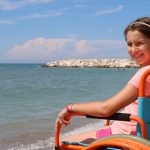
Choosing the Right Camp for a Child with a Physical Disability
When a child needs physical support at camp, finding the right program is often less straightforward than families expect. Searching by diagnosis is a natural place to begin, but many camps describe themselves through accessibility, adaptive equipment, and personal care rather than through any diagnosis. Understanding that difference can completely change which camps you find.
This guide covers the physical support side of choosing a camp: access to buildings and activities, transfers, personal care, adaptive equipment, and the staffing that makes those things work. The questions are organized around what a child needs rather than what a child has been diagnosed with.
Why Searching by Diagnosis or Condition Misses Many Camp Options
When you search for a camp using a diagnosis or condition name, the first results tend to represent one branch of what is available: programs run by hospitals, rehabilitation institutes, or national condition organizations. These programs are often supported by the organizations behind them. They are frequently offered as shorter sessions, some are subsidized or free, and many require eligibility documentation tied to the diagnosis. For some families, they are exactly the right fit. They are simply not the only camps that may be a good fit.
Beyond those programs, many camps describe themselves through accessibility and adaptive programming rather than through any diagnosis or condition name. Their listings and websites talk about accessible cabins, adaptive recreation, personal care, and barrier-free facilities. A family searching by diagnosis or condition may never encounter them, because those are not the terms these programs typically use.
The reason is straightforward. Building an accessible route to the waterfront, installing a roll-in shower, buying adaptive equipment, and training staff to perform transfers safely are expensive and permanent investments. Once a camp has made those investments, they can support campers with cerebral palsy, spina bifida, muscular dystrophy, multiple sclerosis, and many other physical disabilities. A camp with those investments often has little reason to organize itself around any single condition, because they serve whoever needs them, regardless of diagnosis.
It also affects what happens when you contact a camp. A diagnosis alone tells a camp director far less than it might seem. Two campers with the same diagnosis can have almost nothing in common when it comes to the support they need: one walks independently and needs no personal care, another uses a power chair, requires a two-person transfer, and needs assistance with bathing and dressing. What gets you a useful answer is describing what your child actually needs done.
Before You Call a Camp, Describe These Five Things
These are the five areas every camp should be able to discuss clearly.
- Mobility level and equipment used. Whether your child uses a power chair, a manual chair, a walker, braces, or no equipment at all.
- Transfer requirements. Whether your child transfers independently, with one person assisting, with two people, or with a mechanical lift.
- Toileting, bathing, and dressing support. Stated as tasks that need doing and who currently does them, rather than as a general level of independence.
- Feeding assistance and positioning at meals. Whether your child needs help eating, requires specific seating or positioning to eat safely, or uses adaptive utensils.
- Endurance, heat tolerance, and pacing. How your child’s energy changes across a full camp day, whether scheduled rest breaks are needed, and how heat affects participation.
Every question in the sections that follow comes back to one of those five areas. If you have them written down, you’ll spend less time explaining your child and more time learning whether the camp is a good fit.
Families beginning this search may also want to read How to Choose a Special Needs Camp, which covers the evaluation questions that apply regardless of the reason a child needs support.
Physical Access: What to Verify Rather Than Assume
Physical access is one of the few parts of this decision where many questions have objective answers. A camp either has a roll-in shower or it does not. But accessible facilities do not always translate into meaningful participation.
A facility can meet an accessibility standard and still be unable to get your child to the lake. Accessibility standards establish minimum requirements for the built environment. They do not describe whether the path from the cabin to the waterfront is passable in a power chair after rain, whether the shower has a chair that fits your child, or whether anyone on staff can help your child use it. Verify how those features work in everyday camp life:
- Route continuity. Ask about the complete route your child would use throughout a typical camp day, including the path from the cabin to the dining hall, to the waterfront, to activity areas, and to the restrooms your child would actually use. A route is only as accessible as its least accessible segment.
- Bathing and toileting facilities. Ask whether there is a roll-in shower and where it is relative to the cabin your child would sleep in. Ask whether a shower chair is available and what size. Ask about grab bar placement and doorway width, since a doorway that admits a manual chair may not admit a power chair.
- Cabin interior. Ask how a camper gets into a bunk, whether there is floor space to turn a chair, and where power equipment is charged overnight. Charging is easy to forget until the first night.
- Terrain and surface. Ask what the paths are made of, how steep the site is, and how far apart the activity areas sit. Gravel, grass, and distance defeat more campers than stairs do.
The clearest answers come from specific examples, not general assurances. Ask what a camper using similar equipment did last season. For a picture of what a typical camp day might look like, What to Expect at Special Needs Camp describes how the day is typically structured.
Transfers and Personal Care: Who Provides It and How They Are Trained
For families whose child needs substantial physical support, this is usually the section that decides everything. A camp can have every ramp and still be unable to serve your child if nobody there can safely lift them or help them shower.
Transfers and Mobility Support
- Two-person protocol. Ask whether the camp has a two-person transfer protocol and when it is used. If transfers are routinely performed by one staff member, ask how the camp determines when additional assistance is needed.
- Mechanical lift. Ask whether a lift is on site, where it is located, and who is trained to operate it. Ask whether it is available wherever your child may need transfers throughout the camp day, including the cabins, pool, waterfront, and activity areas. Ask how many staff members are trained to operate it and whether at least one is available whenever it might be needed.
- Continuity across settings. Ask whether the same trained staff handle transfers in the cabin, at the waterfront, at the pool, and during activities, or whether coverage varies by location and time of day. Consistent transfer support across settings helps ensure your child can participate throughout the camp day.
Personal Care and Daily Support
- Who provides it. Ask whether personal care is provided by staff assigned to your child, shared across a cabin group, or expected to come from an attendant the family supplies. A shared arrangement may be entirely adequate for a camper who needs occasional help and inadequate for a camper who needs assistance with every transition.
- The ratio that matters. Camps often publish camper-to-staff ratios. For personal care, ask instead how many staff members are trained and assigned to provide that support, and how many campers requiring personal care are enrolled in that session. A camp with a strong overall ratio can still have one trained aide covering six campers who all need help getting dressed at the same time.
- Meals. Ask who assists your child at meals and whether that person is also responsible for serving, supervising, or eating. Ask about seating and positioning, since a dining hall bench may not work for a child who needs trunk support to eat safely.
- Overnight support. Ask who is awake, on duty, or immediately available at night, and what happens if your child needs to be repositioned or helped to the bathroom at two in the morning. Ask whether the answer changes on staff days off.
- Family-supplied attendants. Ask whether the camp permits a family to send a personal care attendant, whether that person must be certified, what the camp charges, and where the attendant sleeps.
Many of these questions become even more important when choosing an overnight camp. If you are still deciding between day and overnight programs, Day Camp vs. Overnight Camp for Children with Disabilities walks through the differences, and the level of personal care a child needs is often an important part of that decision.
Adaptive Programming: How Camps Support Participation
Access gets your child to the activity. Adaptive programming determines whether they do it.
The important distinction is between a child participating and a child present. A camper parked at the edge of the field with a counselor keeping them company has technically been included in soccer. Ask not whether your child can attend an activity, but what they will be doing during it.
- Equipment on site versus on request. Find out what adaptive equipment the camp actually owns and where it is stored. Adaptive equipment can include activity-specific items such as adaptive kayaks, waterfront transfer benches, adaptive climbing harnesses, and hand cycles, so ask about the equipment your child would actually use during camp activities. If equipment is available on request, ask whether it is kept on site, borrowed for individual campers, or brought in as needed.
- Alongside or separate. Find out whether adapted versions of activities run alongside the standard version with the same group or whether campers needing adaptations move to a separate track. Both models exist and both can work. Families usually have a strong preference once they know which one they are choosing.
- One question that reveals a lot. Ask what a camper with a similar profile did last season, activity by activity. A director who can answer that in specifics is describing something that really happened.
Some activities use specialized equipment, instruction, or therapeutic approaches beyond the adaptations discussed here. Therapeutic Riding at Special Needs Camps explores one example in more detail.
Medical Support Alongside Physical Support
Physical support and medical care often overlap, but they are usually provided by different members of the camp staff.
Helping a camper transfer, dress, or eat is physical assistance. A trained counselor can be taught to do it well. Catheterization, suctioning, seizure response, and similar tasks are clinical care, and in most settings they require a nurse or another credentialed clinician. Ask about each separately so you understand exactly what the camp can provide.
Ask who on staff holds clinical credentials, whether they are on site or on call, and during which hours. A camp with a nurse present from nine to five has a different capability at eleven at night. Ask how clinical coverage is handled during overnight hours, days off, and emergencies.
Ask about equipment needs separately. Where is a power chair charged, what is the backup if power fails, and what does the camp do if a device breaks mid-session? Ask whether the camp has a local repair resource or contingency plan if specialized equipment fails during the session.
For a closer look at medication management, see Managing Medications at Special Needs Camp, which explains what to ask about a camp’s storage, administration, documentation, and protocols before enrolling.
Eligibility Criteria and Choosing the Right Session
Two factors often determine whether a program is the right fit: meeting the camp’s eligibility requirements and choosing the appropriate session.
Published criteria are worth reading closely rather than skimming. Some programs require that a camper be able to sit independently or with minimal adaptive support. Some require the ability to follow directions or to function at a stated developmental level. Some set a minimum or maximum age that is narrower than the camp’s general range. These requirements are rarely arbitrary. They usually reflect what the program is staffed to handle. Reading them early helps families focus on programs that are a realistic fit.
Sponsored programs may add requirements of their own. Membership in the sponsoring organization, a clinical referral, or treatment at an affiliated hospital can all be conditions of enrollment. Ask before applying rather than after.
Session choice deserves as much attention as camp choice. Some camps run different sessions for different support levels. One week may be designed for campers who need extensive personal care. Another may be intended for campers who are more independent.
Once a session is chosen, preparation for a child whose routine depends on equipment and assistance involves more than packing. How To Prepare Your Child For A Successful Overnight Camp Experience covers what families need to organize before the session begins.
How the Camp Decision Changes Across Physical Disability Categories
The same basic questions apply across all four categories. What changes from one category to the next is which considerations matter most, not the underlying framework. The sections below link to the corresponding listings in the VerySpecialCamps.com directory.
Cerebral palsy
This is the category where the diagnosis name is least useful as a filter, because the functional range under the label is enormous. A family who leads a conversation with the diagnosis will usually get a general answer. A family who leads with the support profile from the first section will get a usable one. If you do nothing else differently, contact directors with the five lines rather than the label. This is also the largest category in the directory, so it is worth narrowing the list before you start calling. Browse camps serving campers with cerebral palsy.
Muscular dystrophy
Because muscular dystrophy is progressive, a program that fit last summer is not automatically a program that fits this one. Prior enrollment is not evidence of current fit. In practice, the support profile should be rewritten and resubmitted each season rather than carried forward, and questions about transfer method and endurance should be asked again even at a camp your child has attended before. Browse camps serving campers with muscular dystrophy.
Spina bifida
The clinical care questions from the medical support section become especially important here, because catheterization schedules and shunt awareness may need a nurse available as part of the daily routine, not just for emergencies. The questions stay the same; they simply matter more here. Latex precautions are worth confirming at the facility level rather than assuming, since they affect equipment and supplies across the whole site. Browse camps serving campers with spina bifida.
Physical disabilities as a listed category
This is the broadest category, most useful when a child’s needs do not sit neatly under one diagnosis, or when a family wants to compare programs serving a wide range of physical disabilities. Because these listings vary more than the others, the focus level on each listing is the fastest way to narrow them: a program listing physical disabilities as a primary focus is describing something different from one listing it as general support. Browse camps serving campers with physical disabilities.
Children with both physical and neurodevelopmental needs
Many children have both physical and neurodevelopmental support needs. If your child does, it is worth reading both guides, since the questions about mobility and medical support here are different from the questions about communication, sensory needs, and behavior covered there. Choosing the Right Camp for a Neurodivergent Child covers the second set.
Whichever category brings you to the directory, the decision is the same one this guide began with: not which camps mention your child’s diagnosis, but which camps can actually support what your child needs to participate.
When you are ready to build a list of candidate programs, search the VerySpecialCamps.com directory by specialty, state, and session type.
This post is part of the Choosing a Special Needs Camp guide on VerySpecialCamps.com.
Frequently Asked Questions
Are summer camps for children with physical disabilities free?
Some are. Programs underwritten by hospitals, rehabilitation institutes, or national condition organizations are sometimes offered at no cost or heavily subsidized, though these are often shorter sessions with their own entry requirements. Most residential and day camps charge tuition. Many camps offer financial assistance, and VerySpecialCamps.com listings indicate when a camp reports having it available. Ask each program directly what assistance exists and what the application deadline is, since aid is often awarded well before the session fills.
Will insurance or Medicaid cover any part of camp?
Camp tuition itself is not generally treated as a covered medical expense. There are narrower situations where some cost may be reimbursable, such as a program where therapy is delivered by a licensed clinician, or a state Medicaid waiver that includes respite care. Coverage rules vary considerably by state and by plan. Ask the camp what documentation it can provide, and ask your plan administrator what, if anything, that documentation would support.
Can a sibling attend the same camp or session?
Some camps run family sessions or dedicated sibling programs, and some enroll siblings alongside a camper in the same session. Others do not. VerySpecialCamps.com listings note when a camp reports accommodating siblings, parents, or companions. If keeping siblings together matters to your family, ask about it early, because the answer often depends on which specific session you are considering rather than on the camp as a whole.
How do children get to camp when the program is far from home?
Because the number of programs that fit a given support profile is limited, families often end up looking outside their own region. Some camps arrange transportation from an airport or a set of pickup points, and some report offering travel assistance in their listings. Transportation availability and transportation accessibility are separate questions, so ask specifically how a camper who uses a wheelchair is transported, who accompanies them, and how equipment travels.
How far in advance should families start looking and applying?
Earlier than for a mainstream camp. The pool of programs that can meet a substantial support profile is smaller, and sessions staffed for higher support levels can fill before general sessions do. Registration commonly opens in winter for the following summer. If your child needs personal care or a mechanical lift, start conversations with camps early enough to compare programs before preferred sessions begin to fill.
Can a child with a physical disability attend a mainstream summer camp?
Many children do. Whether it is the right choice depends less on the diagnosis than on the support profile: a camper who is independent with mobility and personal care may do well at a mainstream program that has made reasonable accommodations, while a camper who needs transfers and personal care usually needs a program staffed for it. The same questions in this guide apply either way. The difference is that a mainstream camp may be answering them for the first time.

Choosing the Right Camp for a Neurodivergent Child
Many families arrive at this guide looking for camps that support a particular diagnosis. What they often discover is that the same camps appear under several neurodiversity categories. This guide explains why, how those programs are designed, and how to recognize the support model that matters more than the diagnosis. If you are still weighing whether camp is the right choice at all, start with The Benefits of Camp for Children with Special Needs. If you are ready to evaluate specific camps, see How to Choose a Special Needs Camp.
Why the Same Camp Appears Under Different Diagnoses
Many families assume that camps for autistic children, children with AD/HD, and children with learning disabilities are completely different programs. In reality, many of the same camps serve all three. At first glance that can look like a program overstating its reach. Far more often, it reflects how the camp is designed.
A camp is not built around a diagnosis. It is built around a support model: a set of decisions about staffing, environment, and daily rhythm. A diagnosis describes a child’s profile. A support model describes how a camp is designed. Those are different kinds of things, and the reason one camp can honestly serve a child on the autism spectrum, a child with AD/HD, and a child with a learning disability is that all three benefit from many of the same design decisions, even though their diagnoses are distinct.
Those shared decisions show up in a few key areas: how the camp manages sensory load, how it supports communication, how predictable it makes the day, how it helps campers start and finish activities, and how it responds when a camper becomes dysregulated. When a program is genuinely strong in those areas, it tends to serve several neurodivergent profiles well at once. That is also why the same program often appears under more than one heading when you browse the VerySpecialCamps.com directory: the repetition is not a listing quirk, it is the support model showing through.
When you evaluate a camp, the question that matters most is not which categories it appears under. It is how well its support model fits your child. Read the model, not the label.
The Shared Support Model Behind Many Neurodiversity Camps
The support model is best understood as one integrated approach rather than a menu of separate features. A strong neurodiversity program does not simply add a quiet room to an otherwise standard camp. It designs the whole day around a handful of connected commitments that work together.
When comparing camps, pay attention to these five key areas:
- Sensory regulation: How the program manages noise, lighting, crowding, and access to lower-stimulation spaces throughout the day.
- Communication support: How the program supports campers who communicate in different ways, from spoken language to augmentative and alternative communication (AAC).
- Predictable structure: Consistent routines, advance notice of transitions, and a schedule campers can anticipate.
- Executive-function and attention support: How staff help campers start, sequence, and finish activities rather than assuming they can manage independently.
- Emotional and behavioral regulation: How the program helps a camper settle when things become difficult, and the staff training that supports that approach.
What ties these five areas together is a simple idea: build the environment so a neurodivergent child can succeed within it, rather than expecting the child to struggle in a setting designed for someone else. A camp that embraces that approach will show it throughout the program.
How to Evaluate a Camp’s Support Model
Now comes the practical question: how do you tell whether a camp actually puts that support model into practice? This is where many families lose their footing, because warm and welcoming language does not necessarily reveal how a program really operates.
The key is to look beyond the diagnosis and ask how the camp provides support. Parents naturally begin by asking whether a camp serves children with autism, AD/HD, or a learning disability, but that answer alone rarely distinguishes one program from another. The better question is whether the camp’s daily design matches your child’s needs. The diagnoses a camp serves tell you who it welcomes. Its daily design tells you how it supports them. Listen for a program that naturally explains how it structures the day, handles transitions, manages the sensory environment, and communicates with campers who express themselves in different ways. Those concrete details reveal the support model.
The most important distinction is whether support is built into the program or added later as an accommodation. A camp built around this support model makes predictable structure, sensory planning, and communication support part of everyday camp life for every camper. A camp that accommodates neurodivergent campers within a more traditional program often provides those same supports only when a family requests them. The words may sound similar. The experience for your child can be very different.
The broader process of evaluating any special needs camp, including what to ask about intake, staffing ratios, medical infrastructure, and conversations with the director, is covered in How to Choose a Special Needs Camp. Use that guide for the overall evaluation framework and this guide for understanding the support model.
When Differences Between Diagnoses Deserve More Attention
The shared support model explains why many camps serve several neurodivergent profiles well. It does not eliminate the real differences between diagnoses. As you narrow your search, the differences between diagnoses begin to matter more.
A simple example shows why the differences between diagnoses still matter. For an autistic camper, sensory support often means predictable routines and a quiet place to regroup. For a camper with AD/HD, it may mean opportunities for movement and a camp that helps channel energy in positive ways. The goal is the same. How the camp gets there is different. The same pattern shows up throughout the support model.
For a deeper look at a specific diagnosis, continue with the guide for your child’s condition. Right now that means Autism Spectrum Disorder Camps, with guides for AD/HD, learning disabilities, developmental disabilities, cognitive disabilities, and Tourette syndrome in progress. This guide explains the shared support model. The guides for specific diagnoses build on it.
Breadth Versus Depth: A Camp for One Profile or Several
Once you understand the shared support model, another decision becomes clear. Some camps are designed primarily around a single neurodivergent profile. Others are designed to support several profiles together. Neither approach is inherently better. It is simply a choice that becomes easier to recognize once you look beyond an individual diagnosis.
Neither approach is better in the abstract. A program built around a single profile emphasizes deep expertise with that population. A program that serves several profiles emphasizes a support model that works well across a broader range of campers. Which approach fits your child depends on the profile you are matching:
- Depth: May deserve more weight for a child with significant support needs, complex communication needs, or challenges that call for a highly specialized program.
- Breadth: May deserve more weight for a child with a mixed profile, a twice-exceptional child whose strengths and challenges do not fit neatly into one category, or a child who would benefit from a wider range of peers. For more on twice-exceptional campers, see The Importance of Structure for the Twice-Exceptional Mind.
The directory can also provide a useful clue. When the same camp appears under several neurodiversity categories, it often reflects a program designed to support a broader range of campers. That is not, by itself, a reason to choose or avoid the camp. It is simply another piece of information to consider alongside your child’s individual needs.
Finding Neurodivergent Camps on VerySpecialCamps.com
If your child has a mixed profile, browse more than one diagnosis category and save promising camps to your MyCampList as you compare them. You can start with the category that fits your child, such as autism, AD/HD, or learning disabilities. Listings marked Primary Focus or Significant Focus can provide one clue to how central that specialty is to the camp, but don’t stop there. Once you’ve narrowed your choices, talk with the camp director about the program’s daily routines, support strategies, and how campers with needs similar to your child’s are supported.
The directory helps you discover programs; the support model helps you choose among them. Once you’ve chosen a camp, How to Prepare Your Child for a Successful Overnight Camp Experience walks you through preparing your child. Browse current programs at VerySpecialCamps.com. Camp directors whose programs serve neurodivergent campers can add a listing through the director listing page.
Frequently Asked Questions
What does it mean for a summer camp to be neurodivergent-friendly?
It means the program’s design, its staffing, environment, and daily routine, is built around cognitive, sensory, and communication support rather than simply allowing neurodivergent campers to attend. The distinction is between a camp that has built support into how it operates and one that welcomes campers and improvises accommodations afterward.
How is choosing a camp for a neurodivergent child different from choosing any special needs camp?
The general evaluation still applies. Intake, staffing, medical readiness, and a real conversation with the director matter for any special needs camp. The difference is that you’re also evaluating how the camp provides support throughout the day, not just whether it accepts campers with your child’s diagnosis.
At what age can a neurodivergent child start overnight camp?
There is no fixed age; readiness matters more than a number. Comfort with separation, some experience away from home, and a program with strong individualized support are the factors that count. A shorter first session at a well-matched program is a lower-risk way to start than a long commitment to an unfamiliar environment.
Do camps for neurodivergent children cost more than general summer camps?
They often cost somewhat more, because lower staffing ratios and specialized staff carry real expense. The range is wide, so ask each program what the fee includes and whether financial assistance is available. Cost should be weighed against fit rather than treated as the first filter.
Does my child need a formal diagnosis to attend a camp for neurodivergent children?
It varies by program. Some ask for documentation so they can build an individualized plan before arrival, and others do not require a formal diagnosis at all. Ask each program directly, since the answer reflects how they handle intake and planning rather than a universal rule.
This post is part of the Choosing a Special Needs Camp guide on VerySpecialCamps.com.

Managing Medications at Special Needs Camp: What Families Need to Know Before Enrolling
For families managing a child’s medications, whether a camp can handle that responsibility safely is one of the most important factors in the enrollment decision. Managing medications at camp is more than a pill organizer or a note. Qualified special needs camps provide clear, supervised systems to ensure your child gets the right medication at the right time.
This post covers what families should ask before enrolling, what qualified programs provide, and how to prepare the medical documentation a camp needs to do its job. For the broader evaluation framework this post extends, see our guide on how to choose a special needs camp.
Why Medication Management at Camp Is a Distinct Challenge
Children at special needs camps are more likely than the general camp population to be managing one or more medications on a scheduled basis. For many campers, medications are central to their ability to participate in daily activities, manage behavioral regulation, support sensory processing, or maintain medical stability. This is very different from a typical camper who might only take an occasional allergy pill.
The camp environment introduces specific challenges that home and school medication management does not. The parent is not present to oversee administration. Multiple staff rotate through shifts. The daily schedule does not always align with a clinical prescription schedule. Medications need secure storage, and things like heat, humidity, and camp activity can change how they work.
A program that is not specifically prepared for this level of responsibility is not a safe environment for a child who depends on reliable medication management. The questions in this post help families determine whether a specific program meets that standard before enrollment.
What Qualified Special Needs Camps Provide
A dedicated medication administrator or nurse on staff during all program hours, not only during designated clinic hours. Many qualified special needs camps employ licensed nurses or certified medication administrators whose primary role includes daily medication distribution and documentation. Families should ask directly whether this role exists and what the credentials are.
Secure, climate-appropriate storage for all medications. Some medications require refrigeration; others are controlled substances subject to specific regulatory requirements for locked storage. Qualified camps know how each medication must be stored and have the right systems in place.
A structured intake process that collects complete medication information before the session begins: medication name, dosage, schedule, prescribing physician, purpose, and any known interactions or side effects. Programs that collect this information only at drop-off are not operating with adequate advance preparation.
A documented administration log that records each dose given, the time of administration, and who administered it. This log protects both the camper and the program and provides a record families can review after the session.
The camp should have written protocols for missed doses, refusals, or side effects. Families should expect clear instructions rather than last-minute improvisation.
Questions to Ask Before Enrolling
Who administers medications during the session and what are their credentials? A counselor who has completed a brief medication orientation is not the same as a licensed nurse or a certified medication administrator. Families should ask directly and evaluate the answer specifically.
How are medications stored? What are the protocols for medications requiring refrigeration or controlled substance handling under federal and state requirements?
What does the intake process look like for communicating medication information before the session begins? A program with no structured pre-arrival intake for medication information is not operationally prepared.
What is the written protocol when a dose is missed, when a child refuses a medication, or when a side effect occurs that requires a decision? If a director cannot describe a written protocol, the program is relying on staff judgment in the moment rather than established procedure.
How does the program communicate with families and with the child’s prescribing physician if a medication-related issue arises during the session?
Look for answers that include clear roles, systems, and written protocols. Vague reassurance is not enough.
What Families Should Prepare Before the Session
A complete medication list prepared by the prescribing physician or the child’s primary care provider: medication name in both generic and brand form, dosage, frequency, time of administration, purpose, known interactions, and any conditions under which the dose should be withheld or the prescribing physician contacted.
Sufficient supply of each medication for the full session plus a reasonable buffer. Most camps require medications to arrive in original pharmacy packaging with the prescription label intact. Generic pill organizers are not accepted at most programs and should not be assumed to be sufficient.
A signed authorization form allowing the camp to administer each medication. Most programs have their own forms that must be completed in advance rather than at drop-off. Families should request these forms early and return them with enough lead time for the program to review them before the session begins.
Clear communication about any behavioral or physical signals the child exhibits when a dose is missed or when a side effect is occurring. Staff who know what to look for can respond before a situation escalates.
Just because your child takes medication independently at home does not mean they can do the same at camp. Make sure the camp knows the plan and has approved the level of independence that is appropriate.
Practical Considerations Before the Session Begins
Meal timing and medication schedules frequently conflict at camp. Medications that must be taken with food, on an empty stomach, or at a specific time relative to physical activity may require coordination between the family, the camp, and the prescribing physician before the session begins. For medications that affect appetite, energy, or fluid balance, the overlap with foodservice and hydration planning is direct. Families managing these interactions should review what the camp provides in those areas before committing to enrollment; see our post on allergies, camper health, and foodservice at camp.
Heat and physical activity affect some medications differently than a typical school-day environment. Camps operating in summer heat with high activity levels should be informed of any medications that affect thermoregulation, increase sun sensitivity, or interact with dehydration. This information should be shared during the pre-session intake so staff can plan safely.
Controlled substances, including stimulant medications commonly prescribed for children with ADHD, are subject to specific federal and state regulatory requirements for storage and administration. Families should ask directly about compliance and bring only the quantity required for the session.
Before the session begins, schedule a conversation with the prescribing physician about the camp context: the schedule variability, the heat and activity level, and the absence of a parent to monitor response. Make sure your child’s doctor knows they will be at camp and has the camp’s contact information in case any questions arise. If the medication regimen has changed recently or may change during the session, that conversation must happen before enrollment is finalized, not after.
Finding Programs Equipped for Medication Management
Not all special needs camps are equally equipped for medication management. The focus level designation on VerySpecialCamps.com listings is a starting point, but direct contact is the only way to verify that a program’s medication management infrastructure matches a child’s specific needs.
The questions in this post are the right questions to bring to that conversation. If your child has complex medication needs, ask for clear, detailed answers based on written procedures, not just general reassurance.
Families who have not yet worked through the full pre-enrollment evaluation framework should start with our post on the benefits of camp for children with special needs if they are still weighing whether camp is appropriate, or with how to choose a special needs camp if they are ready to evaluate specific programs.
Browse current listings at VerySpecialCamps.com.
Frequently Asked Questions
Can my child self-administer their own medication at a special needs camp?
It depends on the child’s age, the medication, and the camp’s policies. Self-administration that works at home may not be permitted at camp without specific authorization and supervision protocols. Families should communicate directly with the program about what level of independence is appropriate and confirm what supervision the camp will provide.
What happens if my child refuses to take their medication at camp?
Qualified camps have clear written steps for what happens if a child refuses medication, including who is notified and when the family or doctor is contacted. Ask for this protocol before enrolling. A program that cannot describe a written refusal protocol is not operationally prepared for this scenario.
Do I need a doctor’s note or prescription label for medications I send to camp?
Most special needs camps require medications in original pharmacy packaging with the prescription label intact, along with a completed authorization form signed by both the prescribing physician and the parent or guardian. Requirements vary by state and program; request the specific requirements from the camp well before the session begins.
What red flags indicate a camp is not adequately prepared for medication management?
Four signals that a program is not operationally prepared:
- Medication information is collected at drop-off rather than through a structured pre-arrival intake
- The program cannot name the credentials of the person administering medications or describe the documentation and logging system
- Specific protocol questions are answered with general reassurance rather than specific procedures
- The program has no written protocol for missed doses, medication refusal, or side effects requiring a decision
This post is part of the Choosing a Special Needs Camp guide on VerySpecialCamps.com.

How to Choose a Special Needs Camp
Choosing a special needs camp is not a variation on general camp selection. The criteria families use to evaluate a general summer camp, activities offered, location, session length, cost, are relevant but secondary. What matters first is whether the program is genuinely built to support a child with this specific need. A camp that is wonderful for most children may be entirely wrong for a child with complex behavioral needs, a communication difference, or a chronic health condition that requires medical infrastructure. The difference matters, and this guide gives families a framework for identifying it before enrolling.
Each section below covers one evaluation dimension: what to ask, what a good answer sounds like, and what a weak answer signals. If you are still weighing whether camp is the right choice for your child at all, start with our post on the benefits of camp for children with special needs. This guide is for families who are ready to evaluate specific programs.
Start with Program Type, Not Program Name
Most families begin a special needs camp search the way they would any camp search: by browsing names and locations, or by looking into a camp they have already heard of from a friend or referral. That approach works poorly in this category. The more productive starting point is program type: what kind of program is built for a child with this specific need?
Location and session logistics are always relevant, and they will come into play when narrowing a candidate list. But starting with location means filtering by convenience before filtering by fit. For residential overnight programs, distance is secondary to fit; a program three states away that genuinely has the infrastructure your child needs is often a better choice than a nearby program that does not. For day programs, proximity may remain a primary filter, but type and population served should still be established before location is applied as a constraint. Type-first evaluation keeps families from ruling out good programs or shortlisting convenient ones that are not actually a fit.
The VerySpecialCamps.com directory organizes programs by the population or condition they serve. Starting with type rather than name produces a better-filtered candidate list and reveals something important: within any given category, programs vary enormously in therapeutic intensity, staffing model, and program philosophy. A family searching for an ASD camp is not searching for a single product. The range within that category spans clinically structured therapeutic environments to naturalistic social skills programs. Understanding that range before evaluating any specific listing is the right starting point. For a detailed look at how that variation plays out in one category, see our post on Autism Spectrum Disorder Camps.
The focus level designation on VSC listings, Primary Focus, Significant Focus, or General Support, is a practical first filter before making direct contact with any program.
A good answer at this stage is a program that can describe specifically how it serves children with your child’s condition, not just that it welcomes all campers. A weak answer is a program that emphasizes general inclusivity without being able to describe its specific infrastructure. Generic marketing language, “we love all kids,” “every child is welcome,” is not a description of a support system.
Individualized Support Plans: What to Ask and What to Look For
Individualized support plans are the structural foundation of special needs camp quality. Programs that operate well maintain documented plans for each camper that describe the child’s needs, communication style, behavioral triggers, and how staff should respond in specific situations. A program without documented plans is relying on intention rather than structure.
What to ask: does the program maintain individualized support plans for each camper? Who develops them, who has access to them, and how are they updated during the session if something changes?
A good answer is specific: the program has a structured intake process, collects detailed information before arrival, and distributes relevant information to the staff working directly with the child. A weak answer is reassurance without structure: “we make sure every camper is taken care of” tells you nothing about the actual infrastructure behind that claim. If the director cannot describe the process, the process likely does not exist in any documented form.
No single question does more to separate programs that are genuinely built for this population from those that treat it as secondary.
Staff Training and Supervision: What Special Needs Camps Should Provide
General camp staff training covers safety, activity facilitation, and basic supervision. Special needs camp staff training should additionally cover behavioral support, crisis de-escalation, augmentative and alternative communication, adaptive equipment, and condition-specific protocols relevant to the population the program serves. The gap between them is not about depth; it is about what is covered at all.
What to ask: what does pre-season training cover and how long does it last? Are staff trained in crisis prevention or de-escalation specifically? What credentials do clinical or supervisory staff hold? What proportion of the leadership team works with this population year-round in education or human services roles?
For a complete framework on how to evaluate staff ratios and what questions to ask about supervision structure, see our post on Staff Ratios and Staffing at Camp: Seven Questions to Ask.
A good answer describes a specific training curriculum and can name certifications or methodologies. A director who can say “our staff complete Crisis Prevention Institute training before the session begins” is describing a real system. A weak answer describes training in terms of duration alone: “we do a two-week staff training” without being able to describe what it covers. How long a training runs matters less than what it actually covers.
Medical and Dietary Infrastructure: Questions Every Family Should Ask
Children with chronic health conditions, seizure disorders, or complex medication schedules require camps with documented medical protocols and qualified medical staff either on site or reliably on call. This is a safety issue, not a preference. A program that cannot describe its medical infrastructure in specific terms is not a safe environment for a child with significant health needs.
What to ask: what medical staff are present during sessions and what are their credentials? How are medications administered, stored, and documented? What is the protocol if a child has a medical event specific to their condition, such as a seizure, allergic reaction, or behavioral crisis requiring medical attention?
Food and dietary needs deserve the same level of scrutiny. A program’s general statement that it accommodates dietary restrictions is not sufficient for a child with a serious allergy or a condition that affects nutrition and medication interaction. For a complete framework on evaluating foodservice at camp, see our post on Allergies, Camper Health, and Foodservice at Camp.
A good answer is a program that has a named medical coordinator, documented protocols, and can walk you through exactly what happens in a specific scenario relevant to your child. A weak answer is reassurance without process: “we’ve handled all kinds of kids” or “we work with families on a case-by-case basis” without being able to describe what that actually means in practice.
Behavioral Support Approach: How Programs Differ and Why It Matters
Behavioral support approach matters more than most families expect, and it rarely comes up in general camp evaluation. Programs vary significantly: some use applied behavior analysis approaches, others use naturalistic or relationship-based frameworks, and others use a combination. The right approach for a given child depends on what that child responds to at home and in school.
What to ask: how does the program handle behavioral dysregulation? What does de-escalation look like in practice? Are there quiet spaces or sensory accommodations available? What is the protocol when a child is having a genuinely difficult session?
A good answer is specific and connected to staff training. A program that says “we use positive reinforcement” and can explain what that means operationally is demonstrating real infrastructure. A program that describes its approach in terms of warmth, patience, and acceptance without being able to describe a specific method or protocol is not describing a behavioral support system. Warmth is not a substitute for training, and acceptance is not a de-escalation strategy.
The way a program responds to these questions tells you as much as the answers themselves. Vague or defensive responses, or responses that pivot quickly to testimonials and marketing language, indicate that the program may not have the infrastructure families need regardless of how the website looks.
Communication Protocols: How Programs Should Keep Families Informed
Special needs camp families typically need more structured communication than general camp families. Pre-session intake, mid-session contact if a child is struggling, and post-session summaries are all relevant depending on the child’s needs. A program that treats family communication as optional does not understand what partnership looks like in this context.
What to ask: what information does the program collect before the session and how is it used? How does the program communicate with families during the session if a child is struggling? What does the end-of-session debrief or summary look like?
A good answer is a program that has a structured intake process, a defined protocol for mid-session family contact when warranted, and some form of post-session communication that goes beyond a general report. A weak answer is a blanket policy against family contact during the session with no description of what replaces it: “we find that separation is better for the child” is not a communication protocol, it is the absence of one.
Making Direct Contact: Why This Step Is Not Optional
For special needs camp enrollment, a direct conversation with the director or program coordinator is not optional. It is the mechanism through which families verify that a program can actually support their child. No directory listing, brochure, or website can substitute for this conversation.
Before the call, prepare a brief written summary of your child’s diagnosis, communication style, behavioral triggers, medication needs, and what has worked well in other structured settings. Without this information, a director can only describe the program; with it, they can assess whether it fits your child.
What to listen for: a director who asks follow-up questions and probes for specifics is demonstrating genuine engagement with whether the program is right for this child. A director who responds primarily with enthusiasm and reassurance without asking clarifying questions is a meaningful yellow flag. Fit requires information. A director who does not ask for information cannot be assessing fit honestly.
For children for whom transition to a new environment is particularly difficult, a pre-enrollment visit, virtual or in person, is worth requesting directly. A program that cannot accommodate a brief orientation visit for a child with significant transition needs is telling you something about its operational flexibility. Treat the answer as structural information about the program, not a scheduling preference.
Once the enrollment decision is made, the next step is preparing your child for the experience. See our post on how to prepare your neurodivergent child for a successful overnight camp experience.
Using the VerySpecialCamps.com Directory to Find Candidate Programs
The VerySpecialCamps.com directory organizes programs by the population or condition they serve and allows filtering by state, format, and program type. Use it to identify candidate programs, then apply the evaluation framework above to each one. The directory gets you to a short list; the questions above get you to a decision.
The focus level designation on each listing, Primary Focus, Significant Focus, or General Support, is the starting filter before direct contact. Each listing includes director-reported details about program focus, age ranges, and session formats. These are starting points, not conclusions.
Browse the full directory at VerySpecialCamps.com.
Frequently Asked Questions
How is evaluating a special needs camp different from evaluating a general summer camp?
The entire framework shifts. General camp evaluation focuses on activities, location, culture, and cost. Special needs camp evaluation focuses on individualized support infrastructure, staff training in specific conditions, behavioral support approach, and medical protocols. A program that scores well on general criteria may be entirely wrong for a child with significant support needs. Applying a general framework here means skipping the dimensions that determine whether a program is genuinely safe and appropriate for your child.
What is the single most important question to ask a special needs camp director?
Ask whether the program maintains individualized support plans for each camper and whether the director can walk you through what that looks like for a child with your child’s specific needs. The answer reveals more about the program’s actual infrastructure than any other single question. A specific, detailed answer is a strong positive signal. A general reassuring answer without process detail is a red flag regardless of how warm and welcoming the director seems.
Should my child visit the camp before the session starts?
For children for whom new environments are difficult, a pre-enrollment visit is worth requesting. It is not universally necessary, but it is valuable for children with significant transition challenges. A program’s response to this request is itself informative: a program that can accommodate a brief orientation visit for a child who needs it is demonstrating operational flexibility. A program that cannot or will not is telling you something about how it handles individual needs in practice.
What if no camp in our area seems like a perfect fit?
Perfect fit is rare. The goal is adequate fit on the dimensions that matter most for your child’s specific needs. Residential overnight programs extend the geographic range considerably. A program three states away that genuinely has the infrastructure your child needs is often a better choice than a local program that does not. Use the VSC directory to search beyond your immediate area before concluding that no suitable program exists.
This post is part of the Choosing a Special Needs Camp guide on VerySpecialCamps.com.

The Benefits of Camp for Children with Special Needs: Making the Case for Families Who Are Uncertain
Many families of children with disabilities have looked at summer camp and quietly set the idea aside, not because they dismissed it but because nothing they read addressed their actual situation. The general case for camp assumes a child who is ready to go. This post is written for families who are not yet convinced.
The question this post answers is not whether camp is good for kids. It is whether camp is right for a specific child, given the child’s specific needs and circumstances.
Why Families Hold Back (and Why the Concerns Are Worth Taking Seriously)
Safety at a distance from home is the first concern for most families. When something goes wrong with a child who has medical, behavioral, or communication needs, the parent is not there to manage it. For families managing complex needs, that distance raises questions a scrape or sprain does not.
Staff capacity is the second concern. Most general summer camps were not built for children with significant support needs, and families who have watched their child struggle in under-prepared environments have good reason to be cautious. Without specific training, a counselor who means well can still leave a child without the support they need.
Fear of social exclusion is the third. Children with disabilities are more likely to have had painful social experiences, and a camp that reproduces those dynamics rather than changing them is not a safe environment for that child.
Prior negative experiences in general programs carry weight. A family whose child had a hard time at a mainstream camp is not being overprotective by asking harder questions the second time.
These concerns are the right questions to bring into a camp search. The rest of this post addresses them directly.
What the Research Shows About Camp and Children with Disabilities
Children with ADHD who attend structured camp programs show documented gains in social competence and peer relationship quality. Studies examining camps specifically designed for this population find improvements that do not consistently appear in general clinical or school settings alone.
Research on camps serving children on the autism spectrum documents gains in social interaction skills, reductions in isolation-related behaviors, and increased comfort in peer settings. The structured but naturalistic social environment of camp appears to support skill generalization in ways that clinic-based sessions often do not.
Anxiety reduction is one of the most consistent findings across multiple special needs camp populations. Quantitative studies, including research on bereavement camps serving children who have experienced loss, found significant reductions in anxiety symptoms and grief-related stress. Similar findings appear across other specialized program types serving comparably vulnerable populations.
The peer dimension matters specifically. Children at specialized camps are surrounded by peers who share aspects of their experience, which changes the social dynamic in ways a mainstreamed setting cannot. The peer context shifts what is possible socially for a child who is usually the exception.
Outcome research varies by disability type, program structure, and study methodology. The evidence base is stronger for some populations than others, and not every program produces equivalent results. The research supports the case for qualified specialized programs, not for camp as a generic category.
Safety and Support: What Qualified Camps Actually Provide
Staff at specialized camps are trained for the specific population they serve. Crisis prevention certification, behavioral support training, and familiarity with individualized plans are expected elements of qualified programs. General camp staff training typically covers first aid and basic orientation, not population-specific support.
Staff ratios at special needs camps are typically lower than at general programs, meaning more adults per camper. Families should ask directly what the ratio is and who counts in that number. For a breakdown of what to ask and why the answer matters, see our post on staff ratios and staffing at camp.
Medical and dietary management is built into how specialized camps operate. Camps serving children with allergies, restricted diets, and complex nutritional needs have systems in place that general programs typically do not. For a detailed look at what those systems involve and what to ask before enrolling, see our post on allergies, camper health, and foodservice at camp.
Qualified programs build medication management into their intake process from the start. How it works in practice is covered in a dedicated post on this site.
Individualized support means the camp has a documented understanding of a specific child’s needs before that child arrives. Families should expect to share detailed information in advance and to be asked questions that make clear the camp has read it.
Social Belonging and the Peer Experience
At a specialized camp, a child with ADHD, a learning difference, or a physical disability is not the exception in the group. The community is built around shared experience, and that structure directly shapes the social environment.
Peer belonging is one of the most consistently reported outcomes for children with disabilities in specialized camp settings. Campers report feeling understood, included, and genuinely connected to peers in ways that do not always happen in school or in general programs. The research tracks this finding across multiple program types.
Camp removes the social history that follows a child through a school year. A child who has been labeled, excluded, or defined by their challenges enters a new community where none of that is known. School-year interventions work within the same social context; camp changes the context entirely.
Preparation before camp matters, and intentional pre-camp work with a neurodivergent child makes a real difference in outcomes. For a detailed guide to that preparation, see our post on how to prepare your child for a successful overnight camp experience. The environment itself does significant work once the child arrives, but arriving ready helps.
Independence, Confidence, and What Camp Specifically Produces
Camp places children in a context where they make real decisions, keep track of their own belongings, navigate cabin dynamics, and manage a daily schedule without a parent available to intervene. For a child with a disability, many of whose daily experiences are mediated by adult support, this is a different kind of experience.
The independence camp provides is supervised and contained. Skilled staff are available and prepared to step in. But the child does not know the staff will step in for every difficulty, and that uncertainty is what produces real competence, not the appearance of it.
Confidence that comes from actual accomplishment is different in kind from confidence that comes from accommodation or reassurance. A child who completes a challenge course, earns a role in a camp performance, or works through a hard social moment has specific evidence of what they can do. That evidence does not come from a therapy session or a school report.
Counselors at special needs camps are often near-peers: young adults who are close enough in age to be aspirational, who model capability and engagement rather than managing a condition. That counselor relationship does not have a direct equivalent in clinical or school contexts.
Finding a Camp That Is Actually Set Up for Your Child
The outcomes described in this post depend on a camp that is genuinely built for the population it serves. Using the right language is not enough; trained staff, individualized planning, and functional support systems are what matter.
Families searching for special needs camps should look for programs built specifically for their child’s population. The VerySpecialCamps.com directory lists programs by disability type, format, location, and age range and is a starting point for a search targeted to this population.
What to look for and what to ask before enrolling is covered in depth in an upcoming post on this site. Evaluating a program carefully before committing helps ensure the experience matches what is described here.
Frequently Asked Questions
Is camp safe for a child with a significant disability or medical need?
Safety depends on program quality. Qualified specialized camps plan for the specific needs of their population at a level general programs do not. Staff training, individualized plans, medical management protocols, and staffing ratios are the indicators to examine. Generic reassurance from a camp director is not a substitute for specific answers to specific questions.
Will my child be able to make friends at a special needs camp?
Peer belonging is one of the most consistently documented outcomes for children with disabilities in specialized camp settings. The community is built around shared experience, which changes the social dynamic in ways a general program cannot. Children who have struggled socially in mainstreamed settings often find the peer environment at a specialized camp meaningfully different.
How is a special needs camp different from a general summer camp?
Staff training, ratios, individualized support planning, and program design are all built around a specific population rather than applied generically. A child attending a specialized camp is not placed in a general program and accommodated after the fact. They are in a program designed for someone with their profile.
My child has never been away from home. Is that a reason not to try camp?
First-time separation is common across the full range of camp populations, and qualified programs are practiced at supporting it. A shorter first session reduces the commitment and builds familiarity before a longer one. The goal of a first camp experience is a good one, not a long one.
This post is part of the Choosing a Special Needs Camp guide on VerySpecialCamps.com.
Allergies, Camper Health, and Foodservice @ Camp: An overview for parents
Foodservice at Camp
What comes to mind when you think about ‘camp food’? Hotdogs and marshmallows roasting over a fire? Burgers on the grill? Perhaps even brown mush on a standard-issue cafeteria tray? How do camp dining options reflect the growing number of food allergies in Children (up 50% in recent years) When looking at finding an appropriate camp for your child, it is important to know that the foodservice offerings reflect the allergen needs of your child. Does the Camp have a ServeSafe food allergen certified staff member to coordinate allergy needs and concerns?
Kid- Friendly
“Broccoli? Gross!” Sound familiar in your home? As many parents are aware, it can sometimes be difficult to get a child to try new things, and many campers struggle with sensory aversions to specific foods. However, camp should help campers take a culinary adventure and try new things by making food fun and positively reinforcing adventurous food options: even if it’s just a bite of something new! If you haven’t heard of the Rainbow Challenge, campers strive to get (and try!) more colorful foods on their plates to win the challenge. Having regular snack times to accommodate campers whose medications sometimes make it difficult to eat on a regular meal schedule is an important kid-friendly consideration.
Hydration
Between basketball, gaga, archery, outdoor skills, soccer, and hot summer days, it is important that the summer program you choose has a hydration plan. This acknowledges that staying hydrated is vital for our active campers to stay happy and healthy while enjoying their summer experience. In addition to water coolers, and water bottles while out and about at their activities, what procedures are in place to make sure that kids are property hydrated at each meal. This helps with both hydration for the sake of replacing fluids, but also because many of the medications that kids take work better. Check out this research published by the NIH.
Healthy
Research shows that additives in junk food have the potential to negatively impact our campers and can exacerbate pre-existing conditions, so it is important that Dining Hall staff are camp collaborators to provide numerous healthy and nutritious options for campers during the summer. Having available plums, apples, oranges, and even mangoes regularly available, along with the open salad and soup bar can help kids make better food choices. When combined with protein-rich entrees, every meal provides well balanced dining experience. Interested in a sample camp menu that models this? This sample menu provides a key variety of offerings at camp. Variety is important in every diet, as studies have shown. With deli, salad bar, buffet options, breakfast spread, fruit selections, and grill line, every camper can get a balanced and nutritious meal during their summer experience to set them up for success well beyond the walls of the dining hall.
Special Diets
Have a camper with vegan, vegetarian, kosher, gluten-free, dairy-free, allergy-specific, or other dietary restricted diet? Be sure to communicate this with the Camp Director, Dining Hall supervisor and medical staff before enrolling in a camp to make sure that they are realistically set up for your child to be successful. Can you bring special food to accommodate dietary needs? Are there allergen alerts for common food allergens posted with all menu items? Can your child find a variety of options that meet their needs at each meal, or will specialized dietary needs lead to limited and repetitive choices? A good camp dining hall is prepared to accommodate dietary needs for all campers.
–Brian Lux and Reema Dixon
Brian is the owner/director of Camp Sequoia whose work has been presented at the World Gifted Conference. He is a licensed K-12 gifted educator dedicated to the whole person growth and support of exceptional populations. Details about his program can be found at www.camp-sequoia.com or by phone at 610-771-0111. Reema Dixon is the associate director at Camp Sequoia and the ServSafe Allergen liaison for camp.
This post is part of the Choosing a Special Needs Camp guide on VerySpecialCamps.com.
Staff Ratios and staffing at Camp: Seven questions to ask
Just as schools, public and private, publish staff to student ratios, many camps provide prospective families with these numbers as an indication of supervision over the summer. When looking at these numbers it is important to keep several key questions in mind. Sometimes foodservice, maintenance, custodial and grounds keeping staff are included in these ratios, and savvy parent will delve more deeply into the numbers.
While certainly schools, or camps, count upon and value the good work of these support staff, their level of training and direct involvement in the life of your child may be different from trained education or human service professionals whose primary role is student or camper interaction. In general there are 7 basic questions to ask to determine if the staff and staffing ratio reflects the “ground truth” of who will be working with your child.
1)What staff members are included in the staffing ratio? This means, “ Do the secretaries and nurses count? What about the laundry staff or the dining hall folks?
2)Does the program use junior staff (counselors in training, junior counselors etc.) and are they reflected in the supervision ratio? Are high school students used as supervision of your child? If so, what is the supervisory structure for these junior staff?
3)What is the average staff age? While this isn’t a perfect metric, it can certainly speak to the culture of a program. If the average staff age is under 21, the camp will certainly have a different level of life experience in working with kids than if the average staff age is closer to 30.
4)Are the supervisory staff all college graduates? How many of the leadership team work with the population served by the camp in a year-round capacity as teachers, social workers, counselors etc.? Do they hold or are they pursuing advanced degrees?
5)How long is staff training? What assessments are used to determine staff mastery before your child arrives? Does this training include certification in Crisis Prevention, First Aid etc.?
6)What is the ratio of staff applicants to staff hires? This will give you an indication both the desirability to work at a given camp as well as the competitiveness of these positions.
7)Are there multiple background checks for staff (including an FBI fingerprint check) as part of the routine staffing process? Most states require background checks, but it is important to know that all due diligence is being taking to maintain a safe community. Pennsylvania, for example, requires 3 background checks including an FBI fingerprint check on all staff working with kids at camps or schools.
Each camp situation and camper population is different, but knowing the right staff questions to ask will help you make the best decision as to where your child has the greatest potential for success. The time and effort spent in building a quality-trained staff is fundamental to setting our campers up for the ability to become their best selves.
Brian is the director of Camp Sequoia whose work with exceptional populations has been twice presented at the World Gifted Conference. He is a Crisis Prevention Instructor and licensed educator who has spent the last two decades dedicated to training superior camp staff to make meaningful and profound differences in the lives of kids. Details about his resident camp program can be found at www.camp-sequoia.com or by email at office@camp-sequoia.com
This post is part of the Choosing a Special Needs Camp guide on VerySpecialCamps.com.
The goal of these guides is to help families and professionals ask better questions and make more informed decisions about special needs camps. Because every camp differs in its programs, staffing, policies, and capabilities, always confirm the details that matter most to your situation directly with the camp. When decisions involve an individual's medical, educational, behavioral, or legal needs, consult the appropriate professionals.
Search Special Needs Camp Guides


