Special Needs Camp Resources
Autism Spectrum Disorder Camps: What They Are and How to Find the Right Program
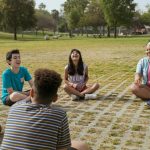
Autism Spectrum Disorder Camps: What They Are and How to Find the Right Program
The phrase “autism camp” covers a wide range of programs. Some are built entirely around autistic participants, while others serve autism as one population among several. Others are inclusive general programs where autistic campers are welcome but the program was not designed with them specifically in mind. They vary in key ways, which families might not see just from the program description. This post covers what the category contains, how programs differ, and what families should understand before evaluating any specific listing.
What Autism Spectrum Disorder Camps Are
An ASD camp is a program whose staffing model, physical environment, daily structure, and programming are built around the needs of autistic participants as the primary design consideration. That structural difference shows up in staff training, environment design, daily scheduling, and how the program responds when a camper is struggling.
In practice, the category on VerySpecialCamps.com and in the broader camp landscape contains programs across this full range. The label “autism camp” does not reliably signal where on that range any given program falls, so understanding that range is the right starting point.
Program goals vary across the category: social skills development, independence building, sensory integration support, peer connection, therapeutic skill generalization, and recreational engagement are all legitimate objectives. Programs differ in which they prioritize and how deeply they pursue them.
Age range is wide, from children as young as four or five through young adults in their twenties. The developmental stage and independence level a program is built around shapes its entire structure, peer community, and daily expectations.
For families still weighing whether camp is appropriate for their autistic child, the case made in our post on the benefits of camp for children with special needs applies directly here.
How Programs Vary and Why It Matters
A mismatch between program type and a child’s actual profile is the central risk families face in this search. The dimensions below are where that mismatch most commonly occurs.
Therapeutic intensity and clinical structure vary significantly across the category. Some programs are clinically structured with credentialed therapists delivering defined objectives for each participant. Others are naturalistic and socially focused without formal clinical infrastructure. Neither model is inherently superior, but the match to a specific child’s needs and goals is the determining factor, not how the program describes itself.
Staff training and credentials differ considerably from program to program. ABA-trained staff, speech-language pathologists, occupational therapists, and behavioral specialists appear in more clinical programs. Trained counselors with ASD-specific experience but without clinical credentials are the model in social skills and recreational programs. The right question is what training staff receive before working with autistic campers, not whether the camp has general autism experience.
Programs vary in how carefully they set up spaces and activities to manage sensory needs. Noise management, schedule predictability, activity design, and access to low-stimulation spaces are all worth asking about directly rather than assuming.
Communication support is another dimension that requires a direct question. Some programs are designed primarily for verbally fluent participants. Others have infrastructure and trained staff for participants who use augmentative and alternative communication systems, commonly referred to as AAC. AAC includes any tool a person uses to communicate beyond speech, from speech-generating devices to picture boards to sign-based systems. A program description does not reliably tell you whether genuine AAC support exists.
Specialized versus integrated enrollment is a structural choice with real implications. Some programs enroll exclusively autistic participants. Others integrate autistic campers into a broader population with defined support structures. Both models have documented benefits. The right fit depends on the individual child’s profile, goals, and prior social experience, not on which approach sounds better in principle.
Program Formats
Day programs provide structured programming without overnight separation, appropriate where overnight away from home is not yet a realistic goal. Residential programs provide the immersive peer community and independence-building context that is among the specific benefits of camp for autistic participants. Some programs offer both within the same session structure, allowing families to adjust as the child’s readiness grows.
Programs range from single-week sessions to multi-week residential experiences, with some offering year-round programming beyond the summer season. Age ranges vary significantly across listings and are worth confirming directly, since a program spanning ages 6 through 22 operates differently from one serving a narrower age range.
By early 2026, the autism camps category on VerySpecialCamps.com included 345 programs, about 70% of all listings. 220 offer day camp formats and 172 offer residential programs, with overlap across both. Programs are distributed nationally with no single region dominating the category. Florida leads with 29 listings, followed by Georgia with 26, California with 21, New York with 19, Michigan with 17, and Texas with 16.
Some programs provide additional options: 99 have respite options, and 51 run travel camps. 342 of 345 listings are coed, with 7 all-girls programs and 8 all-boys.
The autism category on VerySpecialCamps.com spans the full range of program focus described in this post, from programs built primarily around autistic participants to inclusive programs where autism is one of several populations served. The 345 listings reflect that full range and should not be read as 345 dedicated ASD-only programs. The directory is a starting point; individual programs should be evaluated through their full profiles and a conversation with the director.
VerySpecialCamps.com now designates a focus level for each specialty on a listing, from Primary Focus to Significant Focus to General Support, which gives families a starting point for assessing how central autism programming is to a given camp’s design. Because this system is in its first year of full rollout and the autism category is less uniform than categories organized around a single medical condition, families should treat focus level as a useful filter and a prompt for direct conversation with the director, not as a definitive classification.
Browse the full list at the VerySpecialCamps.com autism camps directory.
What to Look for When Evaluating an ASD Camp
This section identifies what matters in program evaluation without delivering a full evaluation process. A full guide to evaluating special needs camps before enrolling is forthcoming on this site.
Ask what in the camp’s design is specific to autistic participants, not just whether autistic campers are accepted. That answer distinguishes programs designed around autism from those that accommodate autistic campers within a general structure.
Ask what training staff receive before working with autistic campers, beyond general camp orientation. Ask who holds relevant credentials and in what capacity they work directly with campers, not just whether credentials exist somewhere in the organization.
Determine whether the camp develops a participant-specific plan before the session begins based on information the family provides. A program that applies the same model to every camper is a different environment from one that plans individually.
Ask how the camp manages sensory load across the full program day, not just whether a quiet space is available somewhere on the property.
If relevant to the specific child, ask directly whether the program has trained staff and infrastructure for AAC users or minimally verbal participants before assuming it does.
For a full framework on what to ask about staffing and ratios, see our post on staff ratios and staffing at camp. For guidance on preparing a neurodivergent child for a first overnight camp experience, see our post on how to prepare your child for a successful overnight camp experience.
Finding Autism Camps on VerySpecialCamps.com
Families searching for ASD camps can browse the full list at the VerySpecialCamps.com autism camps directory, searchable by state and filterable by program format. The focus level on each full profile is a useful first filter before contacting a director.
Camp directors operating programs that serve autistic participants and are not yet listed on VerySpecialCamps.com can visit the VerySpecialCamps.com director listing page to add or update a listing.
Frequently Asked Questions
What is the difference between an autism camp and a general special needs camp?
An autism camp, in the specific sense, is built around the needs of autistic participants as a primary design consideration. A general special needs camp serves a broader range of conditions without that specific orientation. How the label is applied varies from program to program; families should ask what in a program’s design is specific to autism rather than relying on category labels alone.
Are there ASD camps for nonverbal or minimally verbal participants?
Some programs support nonverbal or minimally verbal participants with trained staff and AAC infrastructure. Not all programs have this capacity, and it is not reliably visible from a program description. The focus level designation on VerySpecialCamps.com listings and a direct conversation with the director are the most reliable ways to assess this before committing.
What does the focus level designation mean on a VerySpecialCamps.com listing?
It indicates how central a given specialty is to a program’s design: Primary Focus, Significant Focus, or General Support. The system is in its first year of full rollout; treat it as a useful starting filter and a prompt for conversation with the director rather than a definitive program classification.
How do I know if a residential autism camp is appropriate for my child?
Readiness for overnight separation, prior experience away from home, and the specific support infrastructure of the program are the relevant factors. A shorter first session at a program with strong individualized support is a lower-risk starting point than a multi-week commitment to an unfamiliar environment.
This post is part of the Special Needs Camp Types and Programs guide on VerySpecialCamps.com.The Benefits of Camp for Children with Special Needs: Making the Case for Families Who Are Uncertain
Many families of children with disabilities have looked at summer camp and quietly set the idea aside, not because they dismissed it but because nothing they read addressed their actual situation. The general case for camp assumes a child who is ready to go. This post is written for families who are not yet convinced.
The question this post answers is not whether camp is good for kids. It is whether camp is right for a specific child, given the child’s specific needs and circumstances.
Why Families Hold Back (and Why the Concerns Are Worth Taking Seriously)
Safety at a distance from home is the first concern for most families. When something goes wrong with a child who has medical, behavioral, or communication needs, the parent is not there to manage it. For families managing complex needs, that distance raises questions a scrape or sprain does not.
Staff capacity is the second concern. Most general summer camps were not built for children with significant support needs, and families who have watched their child struggle in under-prepared environments have good reason to be cautious. Without specific training, a counselor who means well can still leave a child without the support they need.
Fear of social exclusion is the third. Children with disabilities are more likely to have had painful social experiences, and a camp that reproduces those dynamics rather than changing them is not a safe environment for that child.
Prior negative experiences in general programs carry weight. A family whose child had a hard time at a mainstream camp is not being overprotective by asking harder questions the second time.
These concerns are the right questions to bring into a camp search. The rest of this post addresses them directly.
What the Research Shows About Camp and Children with Disabilities
Children with ADHD who attend structured camp programs show documented gains in social competence and peer relationship quality. Studies examining camps specifically designed for this population find improvements that do not consistently appear in general clinical or school settings alone.
Research on camps serving children on the autism spectrum documents gains in social interaction skills, reductions in isolation-related behaviors, and increased comfort in peer settings. The structured but naturalistic social environment of camp appears to support skill generalization in ways that clinic-based sessions often do not.
Anxiety reduction is one of the most consistent findings across multiple special needs camp populations. Quantitative studies, including research on bereavement camps serving children who have experienced loss, found significant reductions in anxiety symptoms and grief-related stress. Similar findings appear across other specialized program types serving comparably vulnerable populations.
The peer dimension matters specifically. Children at specialized camps are surrounded by peers who share aspects of their experience, which changes the social dynamic in ways a mainstreamed setting cannot. The peer context shifts what is possible socially for a child who is usually the exception.
Outcome research varies by disability type, program structure, and study methodology. The evidence base is stronger for some populations than others, and not every program produces equivalent results. The research supports the case for qualified specialized programs, not for camp as a generic category.
Safety and Support: What Qualified Camps Actually Provide
Staff at specialized camps are trained for the specific population they serve. Crisis prevention certification, behavioral support training, and familiarity with individualized plans are expected elements of qualified programs. General camp staff training typically covers first aid and basic orientation, not population-specific support.
Staff ratios at special needs camps are typically lower than at general programs, meaning more adults per camper. Families should ask directly what the ratio is and who counts in that number. For a breakdown of what to ask and why the answer matters, see our post on staff ratios and staffing at camp.
Medical and dietary management is built into how specialized camps operate. Camps serving children with allergies, restricted diets, and complex nutritional needs have systems in place that general programs typically do not. For a detailed look at what those systems involve and what to ask before enrolling, see our post on allergies, camper health, and foodservice at camp.
Qualified programs build medication management into their intake process from the start. How it works in practice is covered in a dedicated post on this site.
Individualized support means the camp has a documented understanding of a specific child’s needs before that child arrives. Families should expect to share detailed information in advance and to be asked questions that make clear the camp has read it.
Social Belonging and the Peer Experience
At a specialized camp, a child with ADHD, a learning difference, or a physical disability is not the exception in the group. The community is built around shared experience, and that structure directly shapes the social environment.
Peer belonging is one of the most consistently reported outcomes for children with disabilities in specialized camp settings. Campers report feeling understood, included, and genuinely connected to peers in ways that do not always happen in school or in general programs. The research tracks this finding across multiple program types.
Camp removes the social history that follows a child through a school year. A child who has been labeled, excluded, or defined by their challenges enters a new community where none of that is known. School-year interventions work within the same social context; camp changes the context entirely.
Preparation before camp matters, and intentional pre-camp work with a neurodivergent child makes a real difference in outcomes. For a detailed guide to that preparation, see our post on how to prepare your child for a successful overnight camp experience. The environment itself does significant work once the child arrives, but arriving ready helps.
Independence, Confidence, and What Camp Specifically Produces
Camp places children in a context where they make real decisions, keep track of their own belongings, navigate cabin dynamics, and manage a daily schedule without a parent available to intervene. For a child with a disability, many of whose daily experiences are mediated by adult support, this is a different kind of experience.
The independence camp provides is supervised and contained. Skilled staff are available and prepared to step in. But the child does not know the staff will step in for every difficulty, and that uncertainty is what produces real competence, not the appearance of it.
Confidence that comes from actual accomplishment is different in kind from confidence that comes from accommodation or reassurance. A child who completes a challenge course, earns a role in a camp performance, or works through a hard social moment has specific evidence of what they can do. That evidence does not come from a therapy session or a school report.
Counselors at special needs camps are often near-peers: young adults who are close enough in age to be aspirational, who model capability and engagement rather than managing a condition. That counselor relationship does not have a direct equivalent in clinical or school contexts.
Finding a Camp That Is Actually Set Up for Your Child
The outcomes described in this post depend on a camp that is genuinely built for the population it serves. Using the right language is not enough; trained staff, individualized planning, and functional support systems are what matter.
Families searching for special needs camps should look for programs built specifically for their child’s population. The VerySpecialCamps.com directory lists programs by disability type, format, location, and age range and is a starting point for a search targeted to this population.
What to look for and what to ask before enrolling is covered in depth in an upcoming post on this site. Evaluating a program carefully before committing helps ensure the experience matches what is described here.
Frequently Asked Questions
Is camp safe for a child with a significant disability or medical need?
Safety depends on program quality. Qualified specialized camps plan for the specific needs of their population at a level general programs do not. Staff training, individualized plans, medical management protocols, and staffing ratios are the indicators to examine. Generic reassurance from a camp director is not a substitute for specific answers to specific questions.
Will my child be able to make friends at a special needs camp?
Peer belonging is one of the most consistently documented outcomes for children with disabilities in specialized camp settings. The community is built around shared experience, which changes the social dynamic in ways a general program cannot. Children who have struggled socially in mainstreamed settings often find the peer environment at a specialized camp meaningfully different.
How is a special needs camp different from a general summer camp?
Staff training, ratios, individualized support planning, and program design are all built around a specific population rather than applied generically. A child attending a specialized camp is not placed in a general program and accommodated after the fact. They are in a program designed for someone with their profile.
My child has never been away from home. Is that a reason not to try camp?
First-time separation is common across the full range of camp populations, and qualified programs are practiced at supporting it. A shorter first session reduces the commitment and builds familiarity before a longer one. The goal of a first camp experience is a good one, not a long one.
This post is part of the Choosing a Special Needs Camp guide on VerySpecialCamps.com.
Directors: Get Ready for Summer 2026: Update Your Camp Listing Today!
Camp directors, it’s time to prepare for the upcoming 2026 summer season! Ensure your listing on VerySpecialCamps.com is up-to-date so parents and campers can find accurate information about your camp.
Please take a moment to update key details, including:
- Session dates
- Rates/cost
- Changes in camp programming
- New facilities
- Virtual (online) programming options
- Recent photos or videos (if applicable)
Click here to update your listing. You can update your information and media as often as needed.
Looking to upgrade? A Multi-Media Listing ($99/year for 12 consecutive months) gives you higher visibility, plus the ability to display a logo, six photos, a map, and an embedded video to make your camp stand out.
For Campers and Families
If you’re searching for a camp for Summer 2026, please note that some camps are still in the process of updating their information. We recommend contacting camps directly to confirm the most accurate and up-to-date details!
How To Prepare Your Child For A Successful Overnight Camp Experience
Preparing a neuro-divergent child for an overnight summer camp is a multifaceted endeavor that requires careful planning and collaboration among parents, clinicians, and camp staff. This preparation not only ensures the child’s comfort and safety but also maximizes the social-emotional benefits that camp experiences can offer. This article outlines best practices for preparing your child, delves into the social-emotional advantages of camp participation, and provides guidance on what to avoid saying, doing, or packing for camp.
Best Practices for Preparing Your Neuro-divergent Child to Be Successful at Camp
- Research and Select an Appropriate Camp
Begin by identifying camps that specialize in or are experienced with neuro-divergent children, such as those with ADHD or who are twice-exceptional (2e). These camps often have tailored programs and trained staff to support your child’s unique needs. For instance, Camp Sequoia offers evidence-based strategies to enhance social skills in 2e children with ADHD.
- Foster Social Skills Development
Prior to camp, engage your child in activities that promote social interactions. This can include role-playing common social scenarios, practicing conversation skills, and encouraging group participation. Such preparation can help your child navigate the social landscape of camp more effectively.
- Establish a Routine
Camps often follow structured schedules. Acclimating your child to a similar routine at home can ease the transition. Implement consistent wake-up times, meal times, and activities to mirror the camp environment.
- Communicate with Camp Staff
Provide detailed information about your child’s strengths, challenges, triggers, and effective coping strategies. This collaboration ensures that the staff is well-equipped to support your child. Ensure that the camp leadership is experienced and staffed appropriately to meet the needs of your child.
- Visit the Camp in Advance
If possible, arrange an in-person or virtual visit to the camp before the session begins. Familiarizing your child with the setting can reduce anxiety and build excitement.
- Pack Comfort Items
Allow your child to bring familiar items from home, such as a favorite stuffed animal or a familiar blanket. These items can provide comfort and a sense of security in the new environment. Many camps will have luggage shipped in advance of the start of camp so that camper spaces are set up ahead of time to make the camp environment more familiar.
Social-Emotional Benefits of Camp Experiences
Overnight summer camps offer a unique environment that fosters significant social-emotional growth, particularly for neuro-divergent children.
- Development of Independence and Self-Esteem
Being away from home encourages children to make decisions independently, manage daily tasks, and navigate new social settings. These experiences can boost self-confidence and a sense of autonomy.
- Enhancement of Social Skills
Camps provide structured, extracurricular activities where youth are engaged with friends and have adult emotional support. Psychologist Nansook Park has described these types of programs as being important to help youth flourish and have a higher life satisfaction rating.
- Reduction of Anxiety
Engaging in new activities and forming friendships in a supportive camp environment can alleviate feelings of anxiety. A meta-analysis indicated that young people attending overnight summer camps self-reported lower levels of anxiety immediately after their camp stays.
- Building Resilience and Coping Skills
Facing and overcoming challenges in a camp setting teaches resilience. Children learn to cope with setbacks, manage emotions, and adapt to new situations, skills that are invaluable throughout life.
Guidance on What to Avoid
To ensure a positive camp experience, it’s crucial to be mindful of certain actions and communications:
- Avoid Overemphasis on Potential Challenges
While it’s important to prepare your child, focusing excessively on potential difficulties may heighten anxiety. Instead, highlight the exciting opportunities and positive aspects of camp.
- Refrain from Last-Minute Changes
Sudden alterations in plans or routines can be unsettling. Maintain consistency in the lead-up to camp to provide a stable environment.
- Do Not Pack Prohibited or Unnecessary Items
Ensure you adhere to the camp’s packing guidelines. Avoid sending items that are not allowed or that may distract or overwhelm your child.
- Avoid Negative Language About Camp
Expressing doubts or negative feelings about the camp can influence your child’s perception. Maintain a positive and encouraging attitude to foster enthusiasm.
- Do Not Overload with Activities Before Camp
Over-scheduling your child with preparatory activities can lead to burnout. Balance preparation with ample rest and relaxation time.
Conclusion
Preparing a neurodivergent child for an overnight summer camp involves thoughtful preparation, clear communication, and a focus on the child’s strengths and interests. By taking these steps, parents and professionals can help ensure that the camp experience is enriching, enjoyable, and conducive to significant social-emotional growth. Finding the right camp home for your child can be a transformative experience that transcends the summer.
–Brian Lux is the owner/director of Sequoia programs, which operates camps in PA and HI geared specifically to social and life skills development. His research-based approaches have been presented at the World Gifted Conference and the International Conference on ADHD.
This post is part of the Special Needs Camp Life and Preparation guide on VerySpecialCamps.com.
Using Inclusive Language for camps.
A few days ago, I went to update our camp information for the 2026 season, I was surprised to find an outdated term when reviewing the camp submission. This was not for the public to see, but under “Camp Emphasis” the older term “hearing impairments” popped up. I immediately reached out about changing it to the current preferred term: “Deaf and Hard of Hearing” as was shown in the public camp listings, which had already been changed a few years ago.
I received an immediate response from Eric Beermann detailing they have been working on updating terms and sometimes they get hidden and not noted during the first go-thru of the site. Websites do have many layers, and it can be tricky to figure out what is hidden and unnoticed. They thoughtfully sent me a link for me to verify and see that it had indeed been changed.
It seems like a small thing and was quickly resolved. And since the location would never be seem by the public, why did this matter at all? Why did I feel that it should be taken care of, and right now? Why do I even mind? I grew up with this term. I was in an educational “program for children with hearing impairments” for five years before I was fully mainstreamed. This is how I was labeled medically and educationally. I even described myself this way, along with “deaf” or “hard of hearing.” I never really gave it much thought. But as an adult, I met many others who were Deaf or hard of hearing, who did, in fact, mind. They minded quite a bit. It was pointed out that we don’t call people who rely on wheelchairs “walking impaired.” People who use elevators aren’t “stair-impaired.” The term “Impaired” has many negative connotations. When people drive under the influence they are “impaired.” The idea is to Fix / Correct/ Replace whatever/whoever is impaired.
As you update your camps, think about what words you are using to promote the populations of your camps. Camp Chris Williams often serves children with multiple disabilities; we don’t list them all because the core of our camp mission is that they must be deaf or hard of hearing to join our camp. About 30% of children who are deaf or hard of hearing have another disability, so we are indeed a Very Special Camp, and grateful for this site so families of Deaf, Hard of Hearing, DeafBlind and DeafPlus (D/HH/DB/DP) children can find us!
Nan Asher
Administrator, Camp Chris Williams https://michdhh.org/camp-chris-williams-2/
Treasurer, Michigan Coalition for Deaf and Hard of Hearing People

Grief Camps: Helping Children Heal Through Community and Play
Losing a parent, sibling, or primary caregiver is one of the most disorienting experiences a child can face. Approximately 6.3 million children in the U.S. will experience the death of a parent, sibling, or primary caregiver before they turn 18, and grieving youth are more likely to face mental health challenges, poor academic performance, and negative long-term outcomes than their non-grieving peers. Yet grief in children often goes unaddressed, in part because adults do not always know how to respond, and children themselves may lack the language to express what they are going through.
Grief camps exist specifically to fill that gap.
What Is a Grief Camp?
Grief camps, sometimes called bereavement camps, are structured programs that combine traditional summer camp activities with grief education and peer support. They are designed for children and teenagers who have experienced the death of someone close to them. Most are led by bereavement professionals and trained volunteers, and many are offered free of charge to families.
Research reviewing published peer-reviewed studies on children’s bereavement camps identifies three core objectives shared across programs: providing children with a safe place to share feelings about their losses, facilitating their grief work, and educating them about healthy ways to cope. The format varies, with some programs running for a single day and others for a full week, but the underlying purpose is consistent: helping children understand that grief is a normal human experience and that they are not alone in it.
Why Camp Works
The camp environment itself is part of what makes these programs effective. Research in grief management shows that camps are promising venues to help bereaved children develop and build resilience in dealing with loss. Being away from home, surrounded by peers who share similar experiences, lowers the social barriers that often prevent children from opening up about loss.
A quantitative study examining the impact of a two-day grief camp found that participation was associated with a significant positive effect on self-concept, a significant decrease in anxiety-related symptoms, and a reduction in childhood traumatic grief and posttraumatic stress symptoms in children following the death of a parent.
Perhaps most importantly, what these camps accomplish above all else is connecting children with others their age who have experienced similar loss. Campers leave feeling like they are not alone in their grief.
What to Expect
Programs vary in structure, but most grief camps combine traditional recreational activities such as hiking, arts and crafts, games, and swimming with facilitated grief support. Campers are provided a safe environment to explore their grief, learn essential coping skills, and make friends with peers who are also grieving, all led by bereavement professionals and trained volunteers. Many programs also offer a concurrent retreat or support component for parents and caregivers, recognizing that loss affects the entire family.
Age ranges vary by program. Most serve children ages 6 through 17, with many offering separate sessions by age group to ensure developmentally appropriate support. Programs are available in a range of formats: day camps, resident overnight camps, respite programs, and travel camps, so families can find an option that fits their child’s needs and comfort level.
Grief Camps in the VerySpecialCamps Directory
The VerySpecialCamps grief camps directory currently lists 41 programs, representing 8.4% of all listings in the directory. Of those, 26 offer resident camp programs, 23 offer day camp options, 13 include respite programming, and 7 offer travel camp experiences. Format counts may overlap, as many programs offer more than one option.
The overwhelming majority of listed programs are coed, with 40 of 41 listings serving both boys and girls. Michigan and Ohio lead in listings concentration, each with 4 programs representing 9.8% of all grief camp listings in the directory. California follows with 2 listings.
Many grief camps are regional or hospice-affiliated. Searching by state within the directory is the most reliable way to find programs actively serving your area.
This post is part of the Special Needs Camp Types and Programs guide on VerySpecialCamps.com.Keeping Campers Safe and Healthy in the Midst of a Global Pandemic
Editorial note: Historical content from 2020.
Camp Sequoia opened and had a healthy and successful summer in 2020. But it wasn’t easy. As news of increased case counts of COVID-19 made the news and different states developed different benchmarks for opening, threading the needle to meet local and state regulations for the summer of 2020 was a challenge to say the least. Many good camps weren’t willing or able to open this summer. Recognizing the value of camping, we want to share with the greater camping community what worked for us.
Running a COVID free residential camp where kids could thrive in summer 2020 was our goal– and we succeeded. Our kids were safe and 100% COVID free. Our staff was safe and 100% COVID free. Our approaches may not make sense for others, but the results speak for themselves.
What looked different about Camp Sequoia this summer?
First and foremost, let me be very clear. Camp Sequoia operated this summer in a new location. We made several meaningful structural changes to allow our kids to thrive. We made significant programmatic changes, radically changed certain health and staff-related procedures, added sanitizing foggers, enhanced handwashing and greatly increased education and mentorship of kids on appropriate places and spaces to make this summer a success. What we did worked for us. It kept campers and staff at Camp Sequoia safe.
How did the community come together? Camp Sequoia followed a multi-pronged approach to opening up COVID free. Camp Sequoia tested all staff and all campers prior to kids arriving on site. We retained Vault Health for COVID screening and its saliva-based test, developed at Rutgers, could be done at home and didn’t involve invasive nasal swabs. This saliva test, administered three days before the camper or staff member was supposed to arrive at camp, worked well for us – it excluded asymptomatic individuals from joining our community–which was the point really.
All members of our camp community also kept a daily signed health log for two weeks before arriving at camp. Our staff further quarantined together during staff training for two weeks at camp before campers arrived at the site.
Camper arrivals on site were staggered and communal transportation was reduced and operated at 50% normal passenger capacity. These transportation adjustments further reduced risks.
Luggage arrived separately from campers and was fogged upon arrival before it entered camper accommodations. We used EPA N-List chemicals for all of our fogging. Please feel free to contact us for additional details on specific cleaning, sanitizing and disinfection procedures.
What about food service? Meals were staggered, involved increased natural air ventilation, and clustered campers by bunk with 10 foot spaces between unlike ages. Children were monitored to use hand sanitizer within 45 seconds of receiving their food (served by on-site, COVID screened dining hall staff). Children were served by age group. Our staff performed all food receiving, storage, prep and service according to updated ServSafe COVID guidelines.
How did you handle bathroom and shower use? We limited bathroom use in public areas (accessible to multiple age groups) and encouraged bunk specific bathroom use. The dining hall was fogged (see note above) before and after each meal. Bunk bathrooms were fogged daily and common shared spaces were fogged multiple times per day.
Did you do any trips? We did not take our campers off site to any place where they could interact outside of our bubble. This is not to say that kids didn’t have excursions this summer. We did blueberry picking, horseback riding etc. where we could take the bubble with us and not break a 6 foot contact barrier with anyone outside of our community.
With regard to staff, during off hours, we provided enhanced staff recreational opportunities on site and limited staff movement off campus. With regard to camp’s ongoing and not always foreseeable need for materials, we obviously preferred to have needed items shipped to camp rather than go to the store but that was not always possible. For those rare occasions where we had to pick up, we had one dedicated staff person for each age group and each specialty to do all necessary curbside pickups for supplies for that group. These staff members went into town wearing masks and gloves and did not live with campers.
How did your staff support your mission? Our medical team did daily health screenings for the first 14 days of camp (given the known incubation period of COVID) with both campers and staff and an in-depth medical assessment each week and if there was any need so to do. We found that these screenings, done at breakfast, were non-invasive and were well received and accepted by our community. While we asked a lot of our staff, they delivered well. We had no fevers (regardless of cause) this summer. We had no colds, nor did we need to go to a hospital or urgent care with ANY cold, flu or COVID symptoms for any member of our community, camper or staff.
For questions or details about our approach, methods and successes in 2020, please feel free to reach out to us via email at office@camp-sequoia.com or give us a call at 610-771-0111.
Brian Lux, is the owner/director of Sequoia programs, serving ADHD, gifted and twice-exceptional young men. Details on his research based approaches can be found @ www.camp-sequoia.com or by email at office@camp-sequoia.com.
The views and opinions expressed in the article above are those of the author and do not necessarily reflect the official policy or position of Camp Channel, Inc.
This article has been published to provide a first-hand account of one camp’s efforts and experience operating in the midst of Covid-19 during the summer of 2020; for the benefit of camp families, camp professionals, and the public at large. What may “work” for one camp might not for another. We believe safety is of paramount importance and urge those seeking to attend a camp in 2021 use due diligence and contact a camp directly about their systems, protocols, and outcomes.
If you operated a camp or program during the summer of 2020, please contact us to discuss the possibility of sharing your experiences and insights on VerySpecialCamps.com.
Allergies, Camper Health, and Foodservice @ Camp: An overview for parents
Foodservice at Camp
What comes to mind when you think about ‘camp food’? Hotdogs and marshmallows roasting over a fire? Burgers on the grill? Perhaps even brown mush on a standard-issue cafeteria tray? How do camp dining options reflect the growing number of food allergies in Children (up 50% in recent years) When looking at finding an appropriate camp for your child, it is important to know that the foodservice offerings reflect the allergen needs of your child. Does the Camp have a ServeSafe food allergen certified staff member to coordinate allergy needs and concerns?
Kid- Friendly
“Broccoli? Gross!” Sound familiar in your home? As many parents are aware, it can sometimes be difficult to get a child to try new things, and many campers struggle with sensory aversions to specific foods. However, camp should help campers take a culinary adventure and try new things by making food fun and positively reinforcing adventurous food options: even if it’s just a bite of something new! If you haven’t heard of the Rainbow Challenge, campers strive to get (and try!) more colorful foods on their plates to win the challenge. Having regular snack times to accommodate campers whose medications sometimes make it difficult to eat on a regular meal schedule is an important kid-friendly consideration.
Hydration
Between basketball, gaga, archery, outdoor skills, soccer, and hot summer days, it is important that the summer program you choose has a hydration plan. This acknowledges that staying hydrated is vital for our active campers to stay happy and healthy while enjoying their summer experience. In addition to water coolers, and water bottles while out and about at their activities, what procedures are in place to make sure that kids are property hydrated at each meal. This helps with both hydration for the sake of replacing fluids, but also because many of the medications that kids take work better. Check out this research published by the NIH.
Healthy
Research shows that additives in junk food have the potential to negatively impact our campers and can exacerbate pre-existing conditions, so it is important that Dining Hall staff are camp collaborators to provide numerous healthy and nutritious options for campers during the summer. Having available plums, apples, oranges, and even mangoes regularly available, along with the open salad and soup bar can help kids make better food choices. When combined with protein-rich entrees, every meal provides well balanced dining experience. Interested in a sample camp menu that models this? This sample menu provides a key variety of offerings at camp. Variety is important in every diet, as studies have shown. With deli, salad bar, buffet options, breakfast spread, fruit selections, and grill line, every camper can get a balanced and nutritious meal during their summer experience to set them up for success well beyond the walls of the dining hall.
Special Diets
Have a camper with vegan, vegetarian, kosher, gluten-free, dairy-free, allergy-specific, or other dietary restricted diet? Be sure to communicate this with the Camp Director, Dining Hall supervisor and medical staff before enrolling in a camp to make sure that they are realistically set up for your child to be successful. Can you bring special food to accommodate dietary needs? Are there allergen alerts for common food allergens posted with all menu items? Can your child find a variety of options that meet their needs at each meal, or will specialized dietary needs lead to limited and repetitive choices? A good camp dining hall is prepared to accommodate dietary needs for all campers.
–Brian Lux and Reema Dixon
Brian is the owner/director of Camp Sequoia whose work has been presented at the World Gifted Conference. He is a licensed K-12 gifted educator dedicated to the whole person growth and support of exceptional populations. Details about his program can be found at www.camp-sequoia.com or by phone at 610-771-0111. Reema Dixon is the associate director at Camp Sequoia and the ServSafe Allergen liaison for camp.
This post is part of the Choosing a Special Needs Camp guide on VerySpecialCamps.com.
Mindfulness and Meditation at Camp
I can still recall the babbling brook and the ancient oak that provided a perfect back rest at the first camp I attended. Since then, campers (and staff) have seen a technological revolution boggles the mind. According to NASA even the now outdated iPhone 5 has 240,000 times the memory than was on Voyager I, the first human made craft to enter interstellar space. Suffice it to say, the world that campers today face is substantially different from the one of my youth. From school systems pushing digital conversation and American children (on average) having their first smart phone before age 11, perhaps there is some wisdom in Bill Gates indicating to USA Today that his children were 14 before they had that level of connectivity. What does this mean for camps?
The research supports that meaningful social skills connections happen with authentic face to face interactions and not through superficial screen time. An authentic camp experience can scaffold the opportunity for social success without a 21st century security blanket of a phone or smart device. Camp can and should be a place to develop smart and socially resilient children in a nurturing and fun environment. Mindfulness and meditation are two strategies that give children back the tools of the awesome power of quietude. Over the last several years, Camp Sequoia has intentionally incorporated mindfulness and meditation training into our staff orientation, established places and systems for our campers to be able to recapture the serenity of a babbling brook, and conscious self-reflection. These programs add to a wide array of traditional camp activities and recognize the value and importance of teaching and modeling a level of personal reflection as we empower our campers to become the best version of themselves.
Specifically, we’ve identified two meditation garden locations, a bench under a majestic pin oak and a “rustic retreat” experience that allows our campers the time to develop the naturalistic intelligence and peace that comes from meaningful interactions with nature. We’ve found that although there is oft some initial resistance to missing an Instagram post or a Facebook needs feed in our unplugged camp community, these experiences give our campers the opportunity, permission, and staff support to relax. Camper and family end of summer feedback to having these experiences has been as positive as the reviews of our STEM program or excitement about our weekly trips. We look forward to continuing these types of programs in 2019 and beyond.
–Brian Lux
Brian is the owner/director of Camp Sequoia whose work with has been presented at the World Gifted Conference, the ACA tri-states conference and numerous regional venues for parent and educators. A 20-year veteran of camping, he is a licensed K-12 gifted educator dedicated to the meaningful growth of exceptional populations. Details about his program can be found at www.camp-sequoia.com or by phone at 610-771-0111.
This post is part of the Special Needs Camp Life and Preparation guide on VerySpecialCamps.com.
Transition Programs at Special Needs Camps: What They Are and Who They Serve
Transition programs at special needs camps are designed for individuals who are preparing to move from structured educational environments into adult life. Unlike camps organized around a specific diagnosis or condition, transition programs focus on outcomes – building the vocational skills, behavioral self-regulation, social competencies, and daily living capabilities that allow a person to function independently in the workplace and community.
Who transition programs serve
Transition programs are appropriate for a wide range of underlying conditions. The defining characteristic is not the diagnosis but the developmental stage and goal: a participant who is approaching adulthood and working toward greater independence. Programs typically serve individuals in their late teens and early twenties, though age ranges vary by program. Because the focus is on skill acquisition and functional outcomes rather than diagnosis-specific therapy, transition programs draw participants with autism spectrum disorder, intellectual disabilities, traumatic brain injury, and a range of other conditions that affect independent functioning.
All 60 transition program listings in this directory are coed. Three programs are all-girls focused and two are all-boys, reflecting the broad accessibility of this program type across gender lines.
Program formats
As of early 2026, VerySpecialCamps.com lists approximately 60 transition program camps nationwide, representing about 12% of all directory listings – a notably high concentration that reflects the strong demand for this type of programming. The majority of programs – 41 of 60 – operate as day camps, making them accessible for families whose participants cannot commit to extended time away from home. Thirty programs offer residential formats, which provide a more immersive environment for practicing independent living skills in a supported setting. Nineteen programs offer respite camp options and nine include travel camp components, which can be particularly valuable for developing real-world navigation and social skills outside a familiar environment.
Geographic distribution
California leads the directory with 6 transition program listings, followed by Massachusetts with 5 and Texas with 4. Minnesota and Virginia each have 2 programs listed. The geographic spread reflects both population density and the concentration of special education resources in certain states, though families willing to consider residential programs away from home have options across a broader range of locations.
What to look for in a transition program
Not all transition programs are equivalent in scope or intensity. When evaluating a program it is worth asking specifically about the vocational training components, whether the program addresses community integration and not just in-camp skill building, what the staff-to-participant ratio looks like, and whether the program has documented outcomes or graduate follow-up data. The breadth of conditions served by a given program is worth discussing directly with the director, since a program that serves participants across a wide range of functional levels may or may not be the right fit for a specific individual’s needs and goals.
Finding transition programs
Browse the full list at Transition Programs on VerySpecialCamps.com to filter by state, format, and program type. Each listing includes director-reported details about the program’s focus, age ranges, and session formats.
For camp directors
If you operate a transition program for individuals with special needs and are not yet listed on VerySpecialCamps.com, adding your listing connects you with families actively searching for exactly this type of programming. Visit the VerySpecialCamps.com director listing page to review options and sign up.
This post is part of the Special Needs Camp Types and Programs guide on VerySpecialCamps.com.Search Special Needs Camp Guides


